How to Choose Designer Patio Furniture
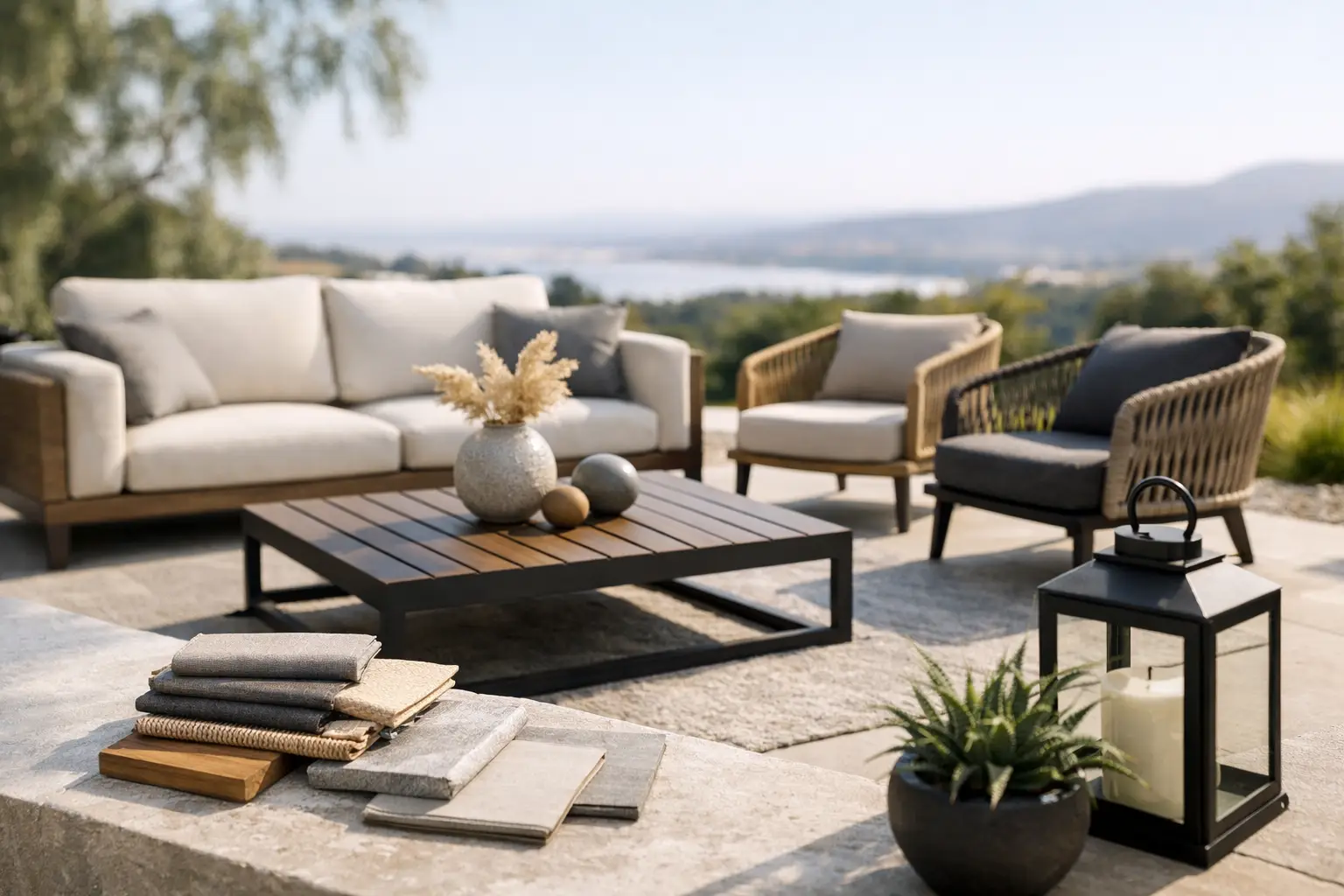
A beautiful patio usually fails in one of two ways – it looks impressive but feels stiff, or it feels comfortable but looks forgettable. The best designer patio furniture does neither. It brings the visual discipline of a well-designed interior outside, while still standing up to weather, wear, and real daily use.
That balance matters more than most shoppers expect. Outdoor furniture is exposed to sun, moisture, shifting temperatures, and constant movement, yet it also shapes how your home feels when you entertain, unwind, or simply step outside with coffee in the morning. When the pieces are chosen well, the patio stops feeling like leftover square footage and starts reading as a true extension of your home.
What sets designer patio furniture apart
Designer patio furniture is not just outdoor seating with a higher price tag. The difference usually comes down to proportion, material quality, finish, and the way each piece works within a complete setting. Premium outdoor collections tend to feel more intentional. Lines are cleaner, silhouettes are better balanced, and details like woven textures, powder-coated frames, tailored cushions, and sculptural tables are handled with more restraint.
There is also a practical side to better design. High-end outdoor furniture often uses materials selected not only for appearance but for longevity. That means teak that weathers with character, aluminum that resists rust without becoming visually heavy, and performance fabrics engineered to hold color and dry faster. Good design, in this category, should never be separated from good construction.
That said, paying more does not automatically guarantee a smarter purchase. Some pieces lean heavily on trend appeal and less on comfort or durability. A low-profile lounge chair may photograph beautifully and still feel awkward after twenty minutes. A pale fabric may look refined in a styled image and become a maintenance headache in an uncovered space. The right choice is rarely about prestige alone. It is about fit.
Start with the way your patio is actually used
Before comparing frames, finishes, or upholstery, think about behavior. Is your patio where you host weekend dinners, where you read alone in the evening, or where kids and pets move through all day? The answer should shape every furniture decision that follows.
A dining-focused patio needs reliable circulation and chairs that remain comfortable through a long meal. A lounge-centered setup benefits from deeper seating, lower tables, and a layout that encourages conversation. Smaller balconies or compact terraces often need pieces that look lighter visually, even if they are built from durable materials. Slim metal frames, open woven forms, and nesting tables can make a tighter footprint feel more elevated and less crowded.
This is where many shoppers overspend. They buy for an imagined lifestyle instead of the one they already have. A dramatic sectional may feel aspirational, but if your space is mostly used for quick morning coffee, two refined lounge chairs and a compact side table may deliver more value and more pleasure.
Scale is the detail that changes everything
Luxury outdoors depends on proportion. Even exceptional designer patio furniture looks off when the scale is wrong for the architecture or for the patio itself. Furniture that is too bulky makes a space feel compressed. Pieces that are too slight can disappear against a large facade or broad deck.
Start by considering ceiling height if the space is covered, the width of walkways, and the relationship between furniture and doors. You should be able to move comfortably without turning sideways or dragging chairs every time someone sits down. In dining areas, leave enough room for chairs to pull back naturally. In lounge areas, avoid placing every piece against a perimeter wall just to preserve openness. A more centered arrangement often feels more deliberate and more inviting.
Visual weight matters too. Teak frames tend to read warmer and more substantial. Aluminum can feel crisp and architectural. Woven rope and resin styles soften a layout and add texture without making it feel dense. Mixing those effects carefully often creates a more curated result than buying a matching set and stopping there.
Materials matter more than trends
Outdoor furniture lives a harder life than almost anything inside your home, so material choice deserves serious attention. If you want a refined look that lasts, this is not the place to choose based on color alone.
Teak remains a favorite for good reason. It has a timeless, upscale presence and holds up exceptionally well outdoors. Left untreated, it develops a silver-gray patina that many design-conscious homeowners love. If you prefer the original honey tone, it will need more maintenance. Neither option is wrong, but it helps to decide which look you actually want before buying.
Powder-coated aluminum is another strong choice, especially for contemporary spaces. It is lightweight, rust-resistant, and easier to move than heavier metal alternatives. The best versions feel substantial without looking bulky. Lower-quality aluminum can feel thin or overly hollow, so construction still matters.
All-weather wicker and woven rope can be excellent when used thoughtfully. They add softness and dimension, especially in transitional and coastal-inspired settings. The trade-off is that some woven designs trap more debris and may take longer to clean. If your patio sits under trees or sees frequent storms, that maintenance factor is worth considering.
For cushions, performance fabric is essential. Fade resistance, water resistance, and easy cleaning should be treated as baseline requirements, not upgrades. Lighter shades look sophisticated and airy, but medium neutrals often age more gracefully in active households.
How to build a designer patio furniture layout that feels curated
The fastest way to make an outdoor space feel less elevated is to treat every piece as a standalone purchase. Designer patios usually feel polished because they are composed, not merely furnished.
Begin with a focal point. That might be a sculptural dining table, a low-profile sectional, or a pair of statement lounge chairs. From there, build supporting pieces that complement rather than compete. If the seating has a strong silhouette, keep the coffee table simpler. If the table is bold, let the chairs provide texture and comfort without adding visual noise.
Color restraint usually helps. Neutrals such as sand, charcoal, ivory, taupe, and weathered wood tones create a more enduring foundation than overly saturated palettes. That does not mean the space should feel flat. Texture does a great deal of the work outdoors – slatted wood, woven detailing, matte finishes, stone tops, and layered fabrics all add richness without sacrificing sophistication.
It also pays to resist overfilling the patio. Negative space gives furniture room to read as premium. A smaller number of excellent pieces often looks more luxurious than a patio packed with matching extras.
Comfort should never be an afterthought
There is no prestige in a chair nobody wants to sit in. The best outdoor spaces are the ones people linger in, and that comes down to comfort as much as visual appeal.
Seat depth, back angle, cushion density, and arm height all affect how furniture performs over time. Deep lounge seating can feel indulgent, but older guests or shorter users may find very low, deep seats difficult to get out of. Dining chairs without cushions can work beautifully in warm, dry climates or for occasional use, but if you host often, even a slim upholstered pad can make a visible difference in how long people stay at the table.
This is where premium shopping should feel discerning, not impulsive. Look for furniture that reflects both craftsmanship and practical ease. A refined patio is not built on compromise between style and comfort. It is built on selecting pieces that deliver both.
Investing well without overspending
A designer look does not require buying the most expensive option in every category. In fact, a smarter approach is to decide where visual and functional impact matter most.
Spend more on anchor pieces that define the space, such as seating or the dining table. Save selectively on smaller accents like side tables, lanterns, or planters if needed. If your climate is harsh, prioritize frame quality and fabric performance over decorative complexity. If your patio is covered, you may have more flexibility with finishes and cushion colors.
For shoppers who want elevated style without searching across multiple retailers, curated collections can save time and reduce mismatch. That is where a premium retailer such as Alucarda can add real value – not simply by offering variety, but by presenting outdoor pieces that feel cohesive, current, and worthy of a more polished home.
When designer patio furniture is worth it
It is worth the investment when your outdoor space is used often, visible from inside the home, or expected to support entertaining. It is also worth it when you care about visual consistency and want your patio to feel as considered as your living room or dining area.
If the space is purely functional, exposed year-round with no protection, or rarely used, a simpler solution may be enough. There is no glamour in paying for details your lifestyle will not notice. But if your patio is part of how you live, host, and recharge, better furniture changes the experience in ways cheaper sets rarely do.
The real goal is not to make the patio look expensive. It is to make it feel complete, comfortable, and unmistakably intentional. Choose pieces with presence, materials with staying power, and a layout that suits your life, and your outdoor space will reward you long after the first season ends.









Leave a comment