How to Style a Luxury Apartment With Intention
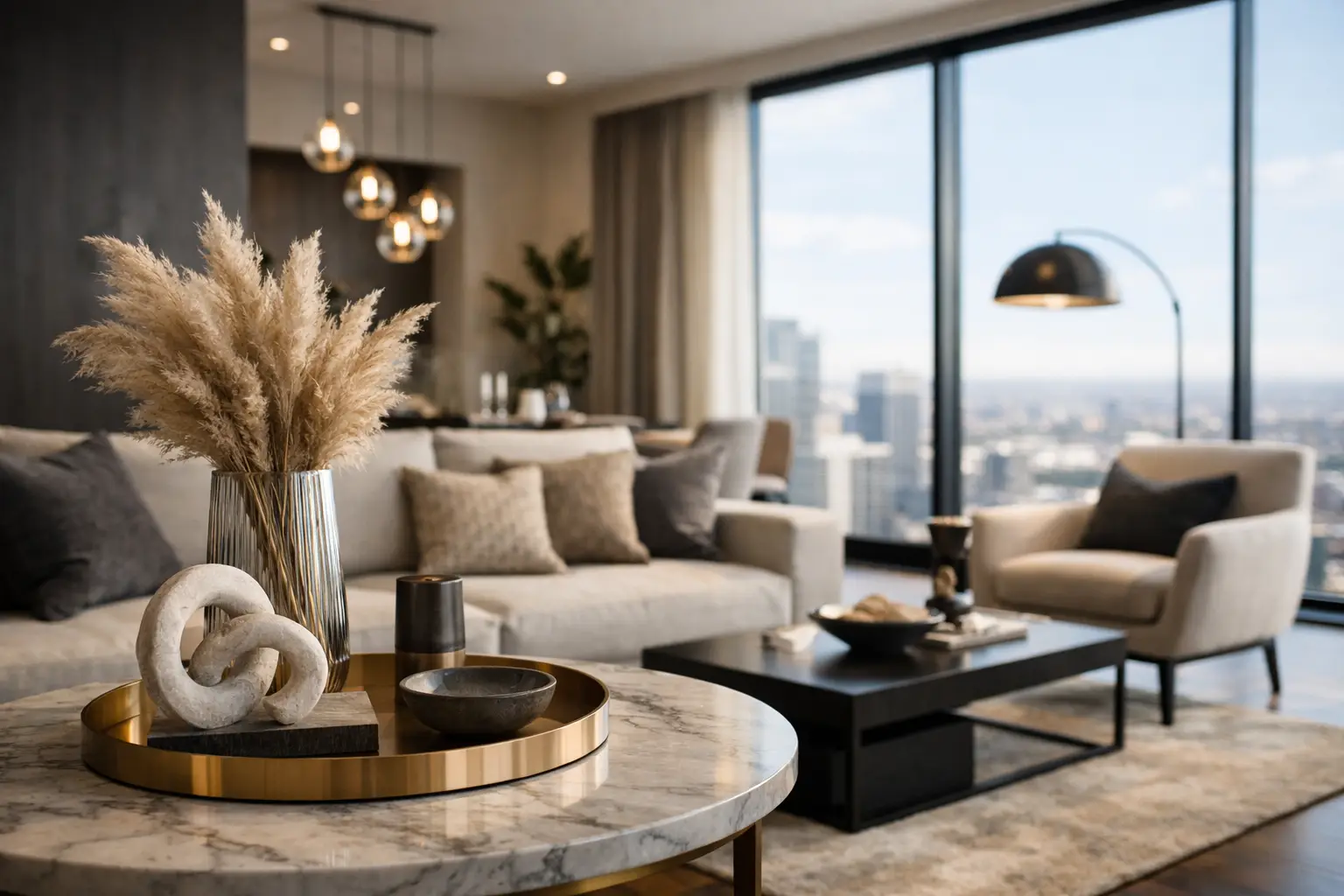
A luxury apartment is not defined by the most expensive item in the room. It is defined by the feeling that everything has been considered: the proportions of the sofa, the warmth of the lighting, the texture beneath bare feet, and the absence of visual noise. Learning how to style a luxury apartment starts with restraint. The goal is a home that feels collected, comfortable, and distinctly yours, not a showroom filled with competing statements.
Begin With a Clear Point of View
Before choosing furniture or filling a cart, decide what luxury means in your space. A high-rise apartment with city views may suit tailored modern pieces, sculptural lighting, smoked glass, and charcoal accents. A prewar rental may call for warmer woods, antique-inspired brass, linen upholstery, and art with a more collected character.
Choose two or three words to guide every decision. Consider quiet, architectural, warm, tailored, organic, or glamorous. These words are more useful than chasing a single trend because they give the apartment continuity from the entryway to the bedroom.
Luxury also depends on what you edit out. A room packed with furniture can look costly and still feel cramped. Leave breathing room around major pieces, preserve clear walkways, and let a few exceptional details carry the visual weight. In a smaller apartment, this is especially valuable: fewer, better-chosen pieces create a more expansive impression than a crowded collection of smaller buys.
Build the Foundation With Quality-Looking Materials
Material contrast gives an apartment depth. Pair a low, upholstered sofa with a stone or solid-wood coffee table. Set smooth metal beside a nubby wool rug. Add linen drapery near polished glass. The mix should feel intentional, with each finish offering a different kind of visual and tactile experience.
You do not need every surface to be natural stone, hardwood, or leather to create an elevated result. What matters is where you place those premium finishes. Invest in the pieces people touch and notice most: seating, tables, bedding, hardware, and lighting. Then use high-quality lookalikes strategically in lower-impact areas. A marble-look tray on a console or a refined ceramic vase can deliver polish without requiring a complete renovation.
Avoid matching every wood tone exactly. A medium oak dining table can live beautifully with walnut frames and black accents when the undertones work together. The same principle applies to metals. Choose one dominant finish, such as brushed brass or matte black, and let a second finish appear in smaller doses. Too many competing finishes can make even beautiful furnishings feel accidental.
Let One Hero Piece Set the Standard
Every room benefits from a focal point that establishes its level of refinement. In the living room, it might be a curved sofa, an oversized piece of art, or an exceptional pendant. In the bedroom, it could be an upholstered headboard that reaches generously toward the ceiling. In the dining area, a sculptural table or a dramatic light fixture can do the work.
A hero piece does not need to be loud. Its power often comes from scale, silhouette, or craftsmanship. Once it is in place, choose supporting pieces that complement rather than compete with it.
Use Lighting as Your Most Powerful Upgrade
Flat overhead lighting is one of the fastest ways to diminish an otherwise beautiful room. Luxury interiors feel layered because they are lit at multiple heights. Start with an overhead fixture for general illumination, then add floor lamps, table lamps, wall sconces, or discreet accent lights where the room needs warmth and dimension.
Aim for warm bulbs, generally around 2700K, in living spaces and bedrooms. The effect is more flattering to skin tones, artwork, textiles, and evening entertaining. Dimmers are equally transformative, particularly in an open-plan apartment where one bright ceiling fixture can otherwise control the mood of the entire space.
Treat fixtures as decor, not just utilities. A slim brass lamp can soften a modern media console. A sculptural pendant above a dining table makes a modest dining zone feel like a destination. Smart lighting adds another layer of ease, allowing you to create an inviting arrival scene, focused work light, or low-glow evening setting without cluttering the room with switches.
Create a Palette That Feels Rich, Not Rigid
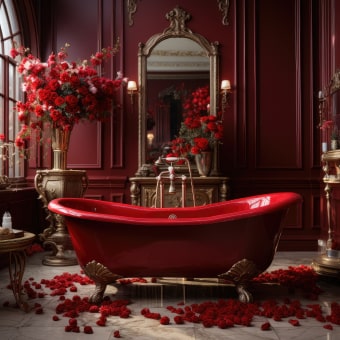
A restrained palette is a hallmark of polished apartments, but restrained does not have to mean beige. Start with a base of warm white, taupe, stone, gray, soft black, or deep brown. Then introduce one or two accent colors with depth: oxblood, forest green, midnight blue, saffron, or muted plum all bring character without overwhelming the architecture.
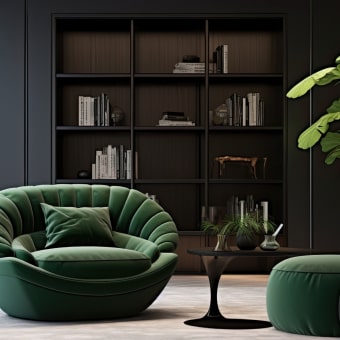
Repeat your accents in small, deliberate ways. If a deep green appears in a lounge chair, echo it in a book spine, a cushion, or a botanical print. Repetition helps an apartment feel designed rather than decorated one corner at a time.
Consider the natural light before committing to paint or large upholstery. Cool north-facing light can make gray feel blue and white feel stark, while bright south-facing rooms can handle more saturated tones. Sample colors on different walls and view them morning, afternoon, and night. This small step prevents an expensive design decision from feeling wrong after sunset.
Choose Furniture for Scale, Comfort, and Function
Apartment living requires discipline. Measure everything, including elevator dimensions, entry doors, and the route from curb to room. A beautiful sofa that cannot enter the building is not a luxury purchase. Neither is a coffee table that leaves no room to move around it.
For a living room, anchor the layout with a sofa sized to the wall, then add one or two occasional chairs only if circulation allows. Choose a rug large enough for at least the front legs of the seating to rest on it. An undersized rug makes furnishings appear scattered, while a generously scaled rug gives the arrangement authority.
Multipurpose furniture can be sophisticated when selected thoughtfully. A storage ottoman in tailored upholstery, a console that doubles as a bar, or a sleek media unit that conceals cables and devices supports a refined visual rhythm. The trade-off is that overly clever furniture can become bulky or fussy. Prioritize simple forms and concealed storage over gimmicks.
Style Surfaces With Breathing Room
Coffee tables, consoles, and nightstands should look lived-in, not overfilled. Use a small composition of objects with varied heights and materials: perhaps a stack of art books, a ceramic vessel, a candle, and one personal object with a story. Leave negative space around them.
This is where personality matters. A luxury apartment should not look anonymous. Display a framed travel photograph, a favorite design book, or a vintage object found on a meaningful trip. Personal elements make premium styling believable because they suggest a life being lived, not a room assembled overnight.
Bring in Softness Through Textiles and Window Treatments
Textiles are what turn polished rooms into places people want to stay. Start underfoot with a substantial rug, then layer in pillows, throws, upholstery, and drapery with distinct textures. Boucle, linen, velvet, wool, cotton, and leather all have a place, but limit the number of patterns so the room remains calm.
Window treatments deserve special attention. Hang curtains high and wide, ideally close to the ceiling and beyond the window frame. This makes ceilings appear taller and windows more generous. Full-length panels in linen or a linen-look fabric bring an instant tailored quality, even in a newer building with standard windows.
In the bedroom, make the bed feel like a private hotel suite. Use crisp sheets, a duvet with real loft, sleeping pillows, and a restrained arrangement of decorative pillows. Add a bench, upholstered chair, or compact storage piece if space permits. The room should feel restorative first, decorative second.
Design the Entry and Everyday Zones
The entry is your apartment’s opening statement. Even a narrow hall can support a refined welcome with a slim console, mirror, small lamp, and catchall tray. If there is no room for furniture, focus on an elevated runner, art, and clean organization. The key is to prevent bags, shoes, mail, and chargers from becoming the first thing guests see.
Do the same in the areas that support your routine. A tidy charging station, concealed cords, coordinated bathroom accessories, and thoughtful pet storage all protect the atmosphere you worked to create. Alucarda’s range of refined home accents, smart devices, and practical lifestyle finds makes it easier to address these everyday details without sacrificing the overall look.
Know When to Stop
The final layer of luxury is confidence. Not every wall needs art, and not every shelf needs an object. Step back after styling each room and ask what could be removed, relocated, or concealed. Often, the missing element is not another accessory but a more intentional arrangement.
Let your apartment evolve slowly. Add the art that genuinely moves you, replace temporary pieces when the right one appears, and make room for objects that mark real experiences. A beautifully styled home is never simply expensive. It is edited, comfortable, and ready to make an ordinary evening feel exceptionally well spent.








Leave a comment