9 Best Cat Trees for Large Cats
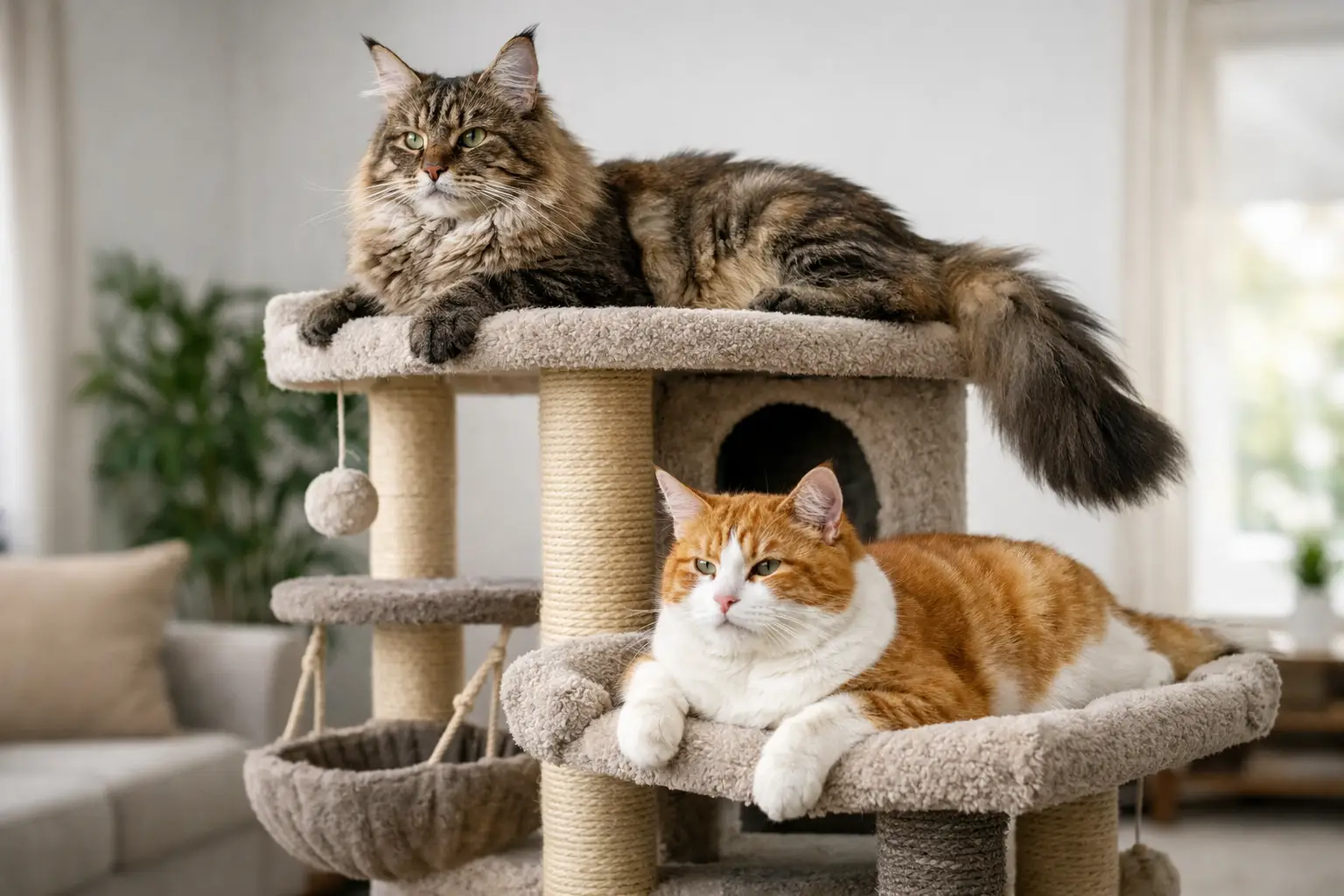
A flimsy cat tree might survive a kitten. It will not impress a 16-pound Maine Coon launching onto the top perch at full speed. If you are shopping for the best cat trees for large cats, the standard rules change fast. Size, stability, platform depth, and material quality matter far more than cute styling alone.
For larger breeds and big-bodied house cats, the right tree is part lounge, part lookout tower, and part scratch station. It should feel secure under real weight, fit comfortably into your home, and still look refined rather than bulky. That balance is what separates a smart purchase from a short-lived one.
What makes the best cat trees for large cats different
Large cats do not simply need a bigger version of an average cat tree. They need thoughtful engineering. A narrow base can wobble, thin posts wear down quickly, and tiny top beds become decorative instead of usable.
The best options usually start with a substantial footprint. That sounds obvious, but it is the single feature most people underestimate. A heavier base reduces sway when a cat jumps, climbs, or shifts direction. If your cat is athletic, that extra stability is not a luxury feature. It is the difference between confident use and total avoidance.
Platform size matters just as much. Bigger cats like to sprawl, curl, and perch with their legs tucked under them, but they still need room to do all three comfortably. A perch that measures well for a smaller cat can leave a larger one hanging off the sides. Look for wide lounging platforms and oversized condos rather than compact tiers stacked too tightly together.
Then there are the scratching posts. For a large cat, short or skinny posts are frustrating. Full-body stretching is part of the appeal of scratching, so taller posts wrapped in durable sisal tend to offer better daily use. Thick posts also help the tree hold up better over time.
How to choose the right size and style
The ideal cat tree depends on your cat’s habits as much as its weight. Some large cats are climbers that want height above all else. Others are loungers that prefer broad, low platforms and enclosed spaces. Buying based only on breed or pounds can miss the point.
If your cat loves height
Choose a taller model with staggered levels that are easy to access. Big cats can jump impressively, but that does not mean they enjoy awkward gaps between platforms. A more gradual climb protects joints and encourages regular use, especially for older cats.
In taller trees, the base should be especially solid. Wall anchoring can also be worth considering if the design allows it. This is one of those trade-offs where the most dramatic silhouette in the room is not always the most practical unless the support is there.
If your cat prefers lounging
Focus on oversized baskets, wide top beds, and deep cushioned platforms. Some large cats treat the tree more like a daybed than a jungle gym. In that case, plush comfort and usable surface area are more important than extreme height.
This style can work beautifully in apartments or design-conscious homes because it tends to look cleaner and less vertical. It also suits multi-cat households where one larger cat wants space while another uses the lower levels for scratching or play.
If your cat is older or less agile
Lower-profile designs with broad steps are often the better investment. Senior large cats still want elevation, just not a difficult climb. A tree with sensible spacing between levels can provide security and comfort without forcing big leaps.
That may feel less exciting than a towering centerpiece, but it is often the model that gets used every day.
Features worth paying more for
Premium pet furniture can absolutely be worth it, but only when the upgrades improve function. A higher price tag should buy more than trend-forward styling.
Solid wood framing or reinforced engineered wood is usually a meaningful upgrade over lightweight particleboard. Better upholstery or plush fabric can help the tree look more polished in a living room, but what really matters is how the materials wear after months of scratching, climbing, and shedding.
Replaceable cushions are another feature that earns its keep. Large cats shed, track litter, and claim favorite spots quickly. Washable pads help preserve both hygiene and appearance, especially if the tree sits in a visible part of the home.
You should also pay attention to platform edge design. Raised rims and supportive bolsters can make a perch far more inviting for larger cats because they create a sense of security. Cats like to feel cradled, not exposed, especially when sleeping at height.
The 9 best cat trees for large cats to look for
Not every shopper needs the same format, but these nine styles consistently stand out when you are choosing among the best cat trees for large cats.
1. The extra-wide tower
This is the classic choice for large active cats. It combines height, multiple lounging levels, and roomier platforms that actually support a bigger frame. It is ideal for households that want one statement piece to handle scratching, climbing, and napping.
2. The heavy-base modern tree
If aesthetics matter, this style is a strong contender. It usually pairs a cleaner silhouette with thicker supports and a lower center of gravity. The look is more elevated, and the stability tends to suit heavier cats well.
3. The oversized condo tree
Some large cats love privacy. A tree with a roomy enclosed hideaway plus a generous top perch gives them both retreat and visibility. The catch is that many condos run small, so interior dimensions matter more than the product photos.
4. The senior-friendly step-up tree
This design prioritizes access over acrobatics. Lower platforms, wider steps, and manageable climbing paths make it a thoughtful option for aging large cats or pets with limited mobility.
5. The dual-perch tree for multi-cat homes
When one or more cats are large, competition for the best spot gets real fast. A model with two substantial top lounging areas helps reduce territorial standoffs and gives each cat a premium perch.
6. The wall-secured tall tree
For very athletic large cats, this style offers height with extra reassurance. A tall tree that can be anchored is often a smarter choice than a freestanding tower pushed beyond its comfort zone.
7. The extra-thick scratching post tree
If your cat’s main goal is to scratch dramatically and then nap, this is a strong value pick. It may offer fewer levels, but the durability and everyday use can be excellent.
8. The lounge-first platform tree
Think broad daybeds, padded surfaces, and lower stress movement. This suits larger cats that want comfort and observation more than vertical adventure. It also blends well into a polished interior.
9. The modular cat tree
For shoppers who want flexibility, modular systems allow you to build around your cat’s size and habits. They can be more expensive up front, but they often age better because you can adapt or expand them instead of replacing the whole setup.
Common mistakes shoppers make
The biggest mistake is trusting the phrase “large cat” without checking measurements. Brands use that label loosely. Always compare your cat’s body length and sleeping style to the actual perch, condo, and base dimensions.
The second mistake is buying for appearance alone. A beautifully designed tree that sways when your cat jumps on it will not feel luxurious for long. Good pet furniture should complement your space, but it still has to perform under real use.
Another common issue is placing the tree in the wrong part of the home. Even the best cat tree can go ignored if it sits in a dead corner with no sunlight, no view, and no household activity. Large cats often like a strong vantage point near a window or in a room where people spend time.
How to make a cat tree more appealing to a large cat
Placement does a lot of the work. Put the tree somewhere your cat already likes to lounge, supervise, or watch birds. Cats are practical. They do not care that a tree looked perfect in the spare room if the action is in the living room.
You can also improve interest by adding a favorite blanket, a sprinkle of catnip on scratching areas, or a nearby toy for early encouragement. For heavier cats that seem hesitant, introducing the tree gradually works better than trying to place them on the top perch right away.
If your home leans design-forward, this is where curated shopping matters. A well-chosen cat tree should support your pet’s comfort while still feeling considered within your interior. That mix of utility and elevated presentation is exactly why more shoppers are treating pet furniture as part of the home, not an afterthought.
Is bigger always better?
Not necessarily. A giant tree in a small room can dominate the space without giving your cat a better experience. Likewise, a sprawling model with too many unnecessary features can become cluttered and underused.
The better question is whether the tree matches your cat’s body, behavior, and environment. For one large cat, a medium-height tree with oversized perches may be perfect. For another, only a tall, reinforced climber will do. The best purchase is the one your cat uses confidently every day and the one you do not regret seeing in your home.
A large cat carries itself with a certain presence, and its furniture should meet that standard. Choose a tree with real stability, generous proportions, and a finish that feels at home in your space, and you will be giving your cat more than a place to sit. You will be giving it a perch worthy of the view.










Leave a comment