Best Pet Stroller for Small Dogs to Buy
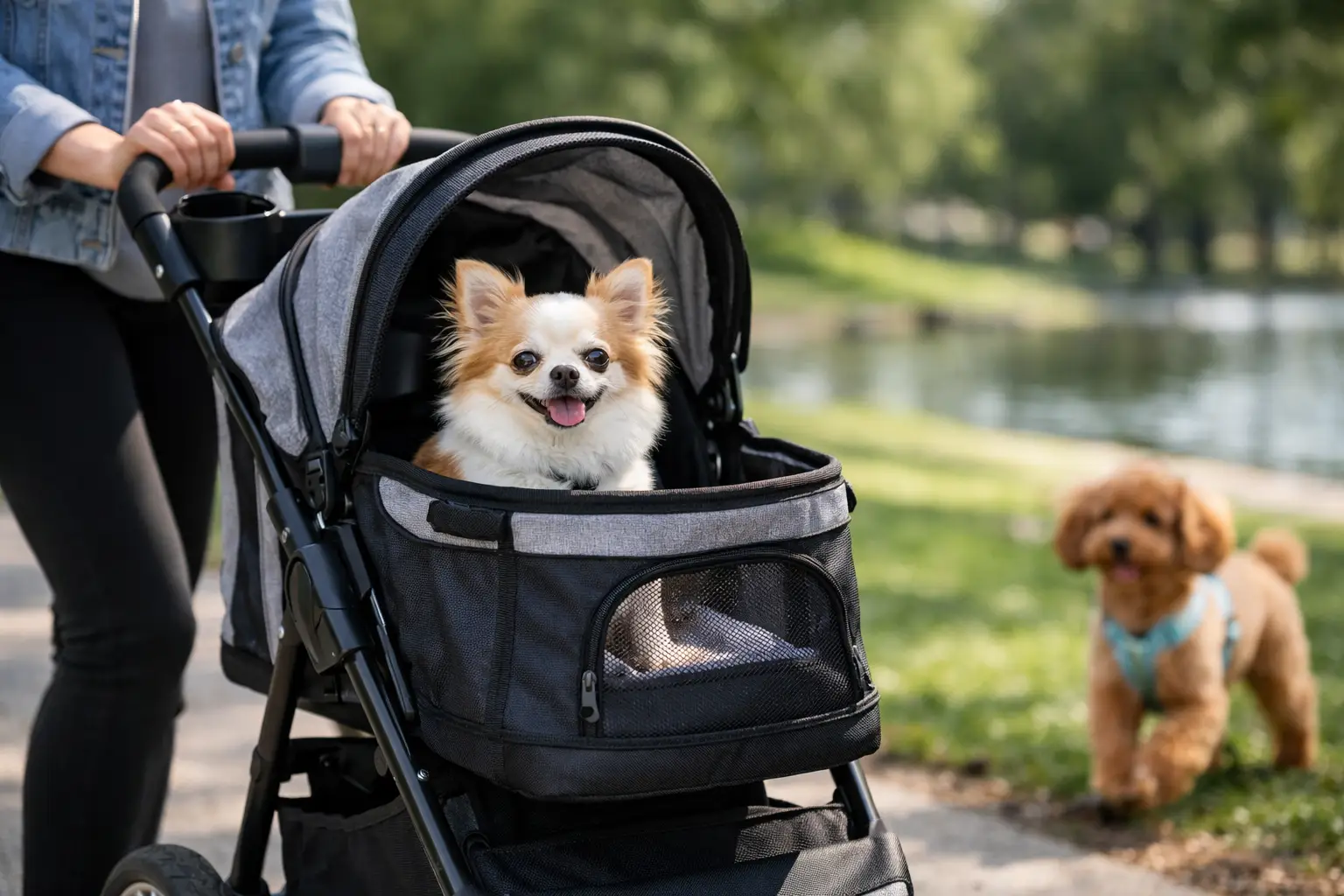
A shaky stroller with stiff wheels can turn a simple walk into a frustrating outing fast. If you are shopping for the best pet stroller for small dogs, the right choice is less about novelty and more about comfort, safety, and how gracefully it fits into your routine. For city walks, vet visits, travel days, or senior-dog support, a well-made stroller adds ease without sacrificing style.
Small dogs often need more ride support than people expect. Toy breeds can tire quickly, older dogs may struggle with longer distances, and some pups simply feel calmer in an enclosed, elevated space. A premium stroller should solve those problems elegantly. It should feel stable on the sidewalk, fold without a wrestling match, and look polished enough to suit a refined lifestyle rather than an improvised pet accessory aisle purchase.
What makes the best pet stroller for small dogs
The best stroller for a small dog starts with proportion. A compact dog does not need an oversized carriage, but it does need enough interior room to sit, turn, and lie down naturally. Too much space can be a drawback because the cabin may feel less secure and the frame can become bulkier than necessary. For Chihuahuas, Yorkies, Maltese, Pomeranians, Shih Tzus, and similar breeds, the sweet spot is a cabin that feels supportive rather than cavernous.
Weight capacity matters, but it is not the only number worth checking. Many shoppers see a stroller rated for 30 or 35 pounds and assume it will suit any small breed. In practice, interior dimensions, entry height, and the shape of the basket matter just as much. A stout French Bulldog mix and a delicate Italian Greyhound may weigh the same, yet they sit and move very differently inside a stroller.
Suspension and wheel design are where quality becomes obvious. Small plastic wheels can manage smooth indoor surfaces, but they often struggle on cracked pavement, brick walkways, and neighborhood curbs. If your walks include mixed terrain, larger wheels with some shock absorption will feel more composed and protect your dog from constant jostling. Swivel front wheels help with maneuverability, while rear wheel brakes are essential for control when you stop on an incline or pause at a café table.
Ventilation is another non-negotiable. Mesh windows should provide airflow on multiple sides, not just the front. That matters in warmer weather, but it also helps reduce anxiety because your dog can see out without feeling exposed. The best designs balance visibility with security, especially for small dogs that can be startled by crowds, traffic, or other pets.
Comfort and safety should lead the decision
Luxury in a pet stroller is not just about polished fabric or an attractive frame. It is about thoughtful function. A padded interior pad that is removable and washable adds real value. So does a cabin floor that stays firm under your dog instead of sagging in the middle. Small dogs can be sensitive to unstable footing, and a weak base often makes them reluctant to ride.
Safety tethers inside the stroller are worth having, but they should not replace a secure zippered enclosure. A tether helps prevent a sudden leap when the canopy opens, yet the cabin itself should be the primary barrier. Look for sturdy zippers, strong mesh, and a frame that does not wobble when turning corners. If the handle feels loose or the stroller tips easily when you apply light pressure, it is not premium, no matter how attractive the product photos may be.
For nervous dogs, canopy design matters more than many buyers realize. Some small dogs relax when they can peek out through front mesh panels. Others settle better with greater enclosure. A stroller with flexible canopy positions gives you options depending on the setting. That adaptability is especially useful if you move between quiet neighborhoods and busier retail or travel environments.
Choosing the right stroller for your lifestyle
The best pet stroller for small dogs depends heavily on how you plan to use it. If your goal is daily neighborhood walks, prioritize ride quality and easy steering. If you want something for shopping districts, travel, or brunch patios, a lightweight fold and tidy footprint may matter more. If your dog is senior or recovering from surgery, stable entry and supportive cushioning should move to the top of the list.
Apartment living creates its own checklist. Elevators, tighter storage, and quick in-and-out trips favor a stroller that folds compactly and stands or stores neatly. A suburban household with more trunk space may be better served by a sturdier model with larger wheels and a bigger undercarriage basket for essentials.
Weather matters too. In warmer states, airflow and sun coverage deserve extra attention. In cooler or wetter climates, you may want more protective canopy coverage and water-resistant materials. No stroller is perfect in every condition, so the smartest choice usually reflects your most common use case rather than a rare once-a-year outing.
Features worth paying more for
Not every upgraded feature is marketing fluff. Some premium details genuinely improve the experience. A one-hand fold is useful if you are managing a leash, keys, or a coffee in the other hand. An adjustable handle is valuable for taller users who do not want to hunch during longer walks. A generous storage basket underneath keeps treats, water, waste bags, and personal items organized without cluttering the cabin.
Fabric quality also separates a polished stroller from a disposable one. Better materials hold their shape, clean more easily, and resist fading. That is not just an aesthetic issue. A stroller that looks worn after a season often signals lower-grade construction overall. If you are investing in a pet accessory that should support regular use, refined finishes and durable materials usually go hand in hand.
Convertible designs can be attractive if you travel often. A stroller that detaches into a carrier or works with a car seat function offers convenience, but only if each mode performs well. Multi-use products can be brilliant, or they can become compromises. If the stroller function feels unstable or the carrier is awkward to lift, versatility alone is not enough reason to buy.
Common mistakes shoppers make
One of the biggest mistakes is buying based only on breed labels. A stroller marketed for small dogs may still be too cramped for a longer-bodied pup or too open for a highly anxious one. Measure your dog in a natural seated and lying position, then compare those dimensions to the interior space rather than relying on generic size claims.
Another mistake is underestimating wheel quality. The stroller may look elegant online, but if the wheels chatter over every sidewalk seam, you and your dog will notice immediately. The same goes for folding mechanisms. A stroller that requires force, awkward latches, or multiple attempts can become irritating enough that you stop using it.
Some buyers also prioritize appearance over stability. A sleek silhouette is a plus, but not if the frame feels top-heavy. A stylish stroller should still track smoothly, brake securely, and feel balanced with your dog inside. Elevated design and practical engineering should arrive together.
How to tell if your dog will actually enjoy it
Even the best pet stroller for small dogs has a short adjustment period. Most dogs need a few slow introductions before they settle in. Place the stroller indoors first, let your dog explore it, and use treats or a familiar blanket to build positive association. A calm first ride around the block is usually better than launching straight into a crowded event.
Watch your dog’s body language. If your pup sits comfortably, looks around with curiosity, or relaxes into the pad, that is a strong sign the stroller works. If your dog braces constantly, pants from stress in mild weather, or tries to escape at every stop, the fit or enclosure style may be wrong. Sometimes the issue is not the stroller category itself but the specific cabin size or canopy design.
Dogs with mobility limitations often become the biggest stroller fans once they realize they can stay part of the outing without overexertion. That is where this purchase becomes especially valuable. It preserves routines, extends adventures, and gives smaller companions access to more of your day in a way that feels thoughtful rather than indulgent.
The best buy is the one you will use often
The smartest stroller is not necessarily the largest, the cheapest, or the one with the longest feature list. It is the one that suits your dog’s size, your environment, and the standard of comfort you want from everyday gear. A well-chosen stroller should feel like a natural extension of a polished lifestyle – easy to maneuver, easy to store, and reassuring for the dog riding inside.
If you are shopping with a quality-first mindset, treat this like any other premium purchase. Look closely at construction, ride feel, materials, and real usability. When those elements come together, a pet stroller stops feeling like an extra item and starts feeling like a smart, elevated essential for the small dog who goes where you go.










Leave a comment