How to Pick Orthopedic Dog Bed Right
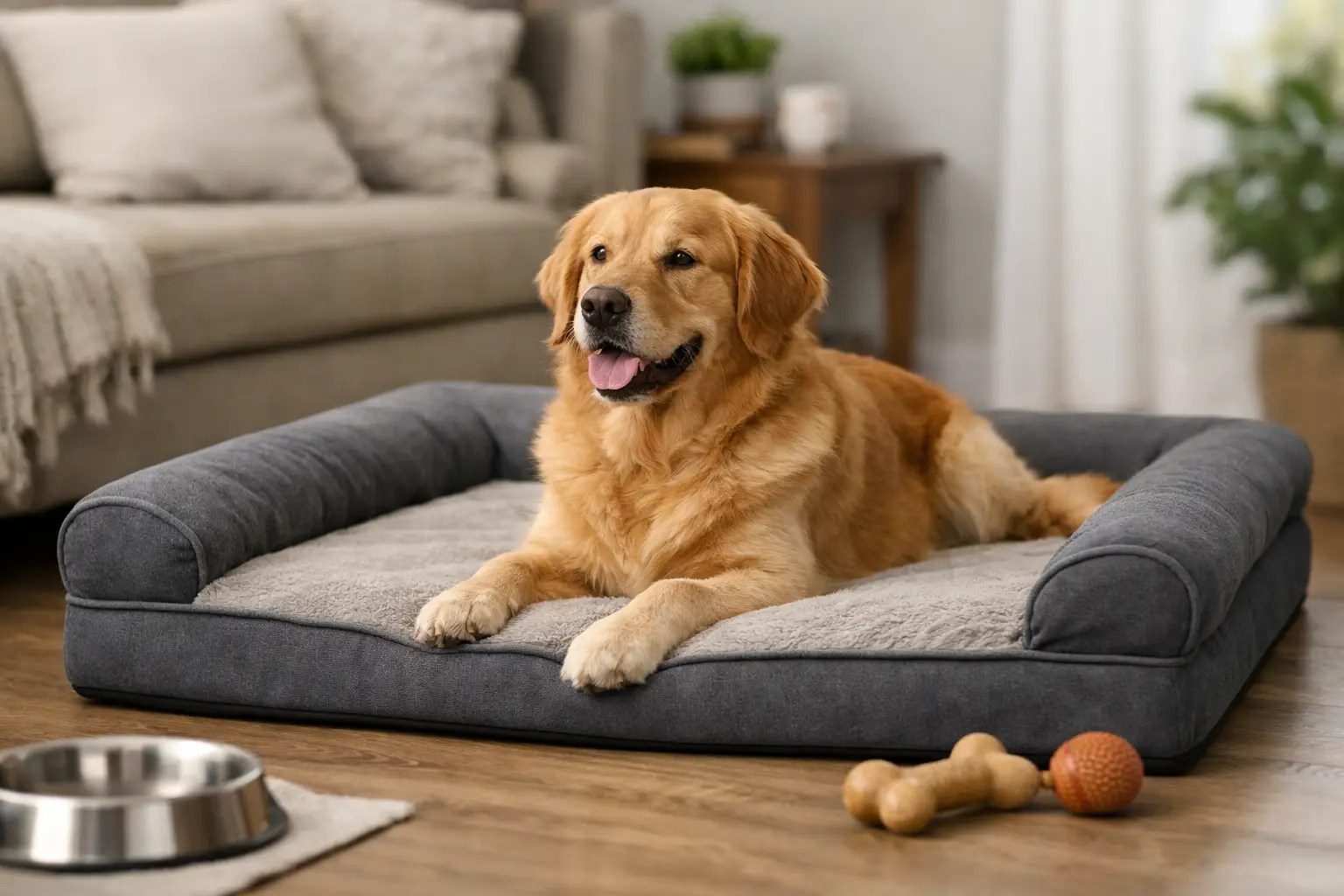
A dog who circles three times, lowers down carefully, and lets out that old-soul sigh is telling you more than you think. Rest is not a luxury for dogs with aging joints, large frames, or post-play stiffness. If you are wondering how to pick orthopedic dog bed options that truly deliver comfort, the answer starts with support – not fluff, not trend, and definitely not a plush look alone.
The best orthopedic bed should help your dog rise more easily, settle faster, and sleep without constantly readjusting. That sounds simple, but this category is crowded with beds marketed as orthopedic when they are little more than overstuffed cushions. A refined choice comes down to materials, structure, size, and how your dog actually sleeps.
How to Pick Orthopedic Dog Bed Materials
The core of an orthopedic bed is the fill. This matters more than color, shape, or even thickness printed on the tag. True orthopedic support usually comes from high-density memory foam, support foam, or a layered combination of both.
Memory foam contours to the body and can relieve pressure around hips, elbows, and shoulders. That makes it appealing for senior dogs, larger breeds, and dogs with arthritis. But pure memory foam can sometimes feel too warm or too slow to rebound for dogs that like a firmer surface. A layered bed with supportive base foam underneath and memory foam on top often feels more balanced.
Egg-crate foam is common because it is more affordable and adds airflow, but it is not always substantial enough for heavy dogs or dogs with real mobility issues. Polyester stuffing, meanwhile, can feel soft at first and photograph beautifully, yet it compresses quickly and rarely offers the kind of structured support the word orthopedic suggests.
When a bed description feels vague, that is usually a sign to be cautious. Premium construction should be easy to explain. If the brand cannot tell you what is inside, it is hard to trust what your dog will be lying on every night.
Firmness is where comfort gets personal
A bed can be too soft to support a dog properly. It can also be too firm for a bony senior who needs pressure relief. Smaller dogs often tolerate softer surfaces because they do not compress the bed as deeply. Large breeds need more resistance underneath them or they will bottom out and end up resting against the floor.
This is one of those it-depends decisions. A young retriever who loves to sprawl after a long hike may do well on medium-firm foam. A senior dachshund with a sensitive back may prefer a flatter, more stable bed with gentle contouring rather than deep sink-in softness.
Start with your dog’s body, not the room
Design matters, especially if the bed will live in a carefully styled space. But your dog’s body should lead the decision. Breed, weight, age, and health history all change what the right bed looks like.
Large and giant breeds need thicker foam and better edge integrity. Their weight creates more pressure on joints and causes lower-quality beds to flatten fast. Senior dogs often benefit from beds that make getting in and out easier, which means low-entry profiles or bolstered styles with one open side. Dogs recovering from surgery or dealing with hip or elbow discomfort usually need a flatter sleep surface with stable support.
Then there is sleeping style. Some dogs stretch out dramatically and need a broad, open mattress. Others curl into a tight nest and feel more secure with bolsters around the perimeter. If your dog sleeps pressed against the sofa, a cuddler-style orthopedic bed may feel instantly familiar. If your dog moves constantly and changes position, extra space is worth it.
Measure for the sleep position, not just nose to tail
A common mistake is buying based on listed breed examples or assuming your dog is a standard medium or large. Sizing labels vary wildly. Measure your dog while asleep in their usual position, then add several inches for movement and comfort.
A bed that is technically big enough may still feel restrictive if your dog likes to stretch out. On the other hand, a very small dog in an oversized bed may not get the cozy sense of security they prefer. The most elegant pick is one that fits your dog generously without looking accidental in your space.
The cover matters more than most people expect
A beautifully made orthopedic core can be undermined by a poor cover. Dogs track in dirt, shed constantly, and sometimes have accidents, especially in puppyhood and older age. A removable, washable cover is not a bonus. It is part of the bed’s real value.
Look for durable upholstery-grade fabrics, tightly woven materials, and covers that hold shape after laundering. Water-resistant liners are especially useful for senior dogs or any dog prone to damp paws and muddy post-walk naps. Soft fabrics are appealing, but there is a trade-off. Some plush surfaces feel luxurious yet trap hair or show wear quickly. Smooth woven covers can be easier to clean but may feel less cozy to some dogs.
Zippers should feel sturdy and discreetly placed. Weak closures and thin fabric are often the first signs of a bed that will not age well. In a premium pet setup, longevity is part of comfort.
How to pick orthopedic dog bed shapes
Shape influences support as much as material does. Flat mattress beds are the most versatile and often the best choice for dogs with joint stiffness because there is no climbing over high edges. They also give sprawling sleepers room to extend fully.
Bolster beds add padded sides for head and neck support. Many dogs love them because they create a secure, lounge-like feel. This style works especially well for dogs who curl up or rest their chin on an edge. The caution is accessibility. If the bolsters are too high or too firm, they can make entry awkward for dogs with limited mobility.
Sofa-style beds split the difference. They offer structure and visual polish while leaving one side more open. For design-conscious homes, they tend to look more integrated into a room rather than like a temporary pet accessory. If your goal is both function and elevated presentation, this category often earns its place.
Don’t be fooled by thickness alone
A thick bed is not automatically a supportive bed. Low-quality foam can be six inches tall and still collapse under a heavy dog. Quality density matters more than height by itself.
This is where premium shopping becomes practical. Better materials hold their shape longer, recover faster after compression, and maintain consistent support across months of daily use. A cheaper bed replaced twice is rarely the better value compared with one thoughtfully built from the start.
If your dog is older, large, or already showing signs of discomfort, this is not the place to compromise for appearance alone. The most sophisticated choice is the one that performs beautifully day after day.
Think about placement and everyday use
An orthopedic dog bed does not live in a vacuum. It lives in your home. Placement affects whether your dog will actually use it.
If your dog always naps near the family, a bed tucked away in a quiet corner may go ignored. If they love cool floors by the window, placing the bed there makes adoption more natural. Homes with hardwood or tile also benefit from non-slip bottoms so the bed stays put when your dog steps on or off.
Climate matters too. Dogs with thick coats may dislike heat-retaining materials, while lean or short-haired dogs often appreciate warmer, softer surfaces. If your dog is crate trained, make sure the orthopedic bed format suits that setup rather than forcing a shape that bunches or lifts.
Signs a bed is actually working
Once the bed is in place, your dog will give you the clearest review. Good signs include settling down quickly, longer uninterrupted sleep, fewer position changes, and easier standing after rest. Some dogs start choosing the bed over the couch or cool floor within a day. Others need a short adjustment period, especially if the surface feels different from what they are used to.
If your dog avoids the bed, check the basics first. It may be too small, too warm, too soft, or in the wrong location. Orthopedic support is not one-size-fits-all. Sometimes the better bed on paper is not the better bed for your dog’s habits.
For pet owners curating a home with as much care as they choose their furniture, lighting, or lounge pieces, an orthopedic dog bed should feel like an intentional upgrade. At Alucarda, that kind of everyday refinement is the standard worth aiming for.
A well-chosen bed gives your dog more than a place to lie down. It gives them a softer landing at the end of every walk, every play session, and every ordinary day that deserves a little more comfort.











Leave a comment