Outdoor Storage Shed Buying Guide
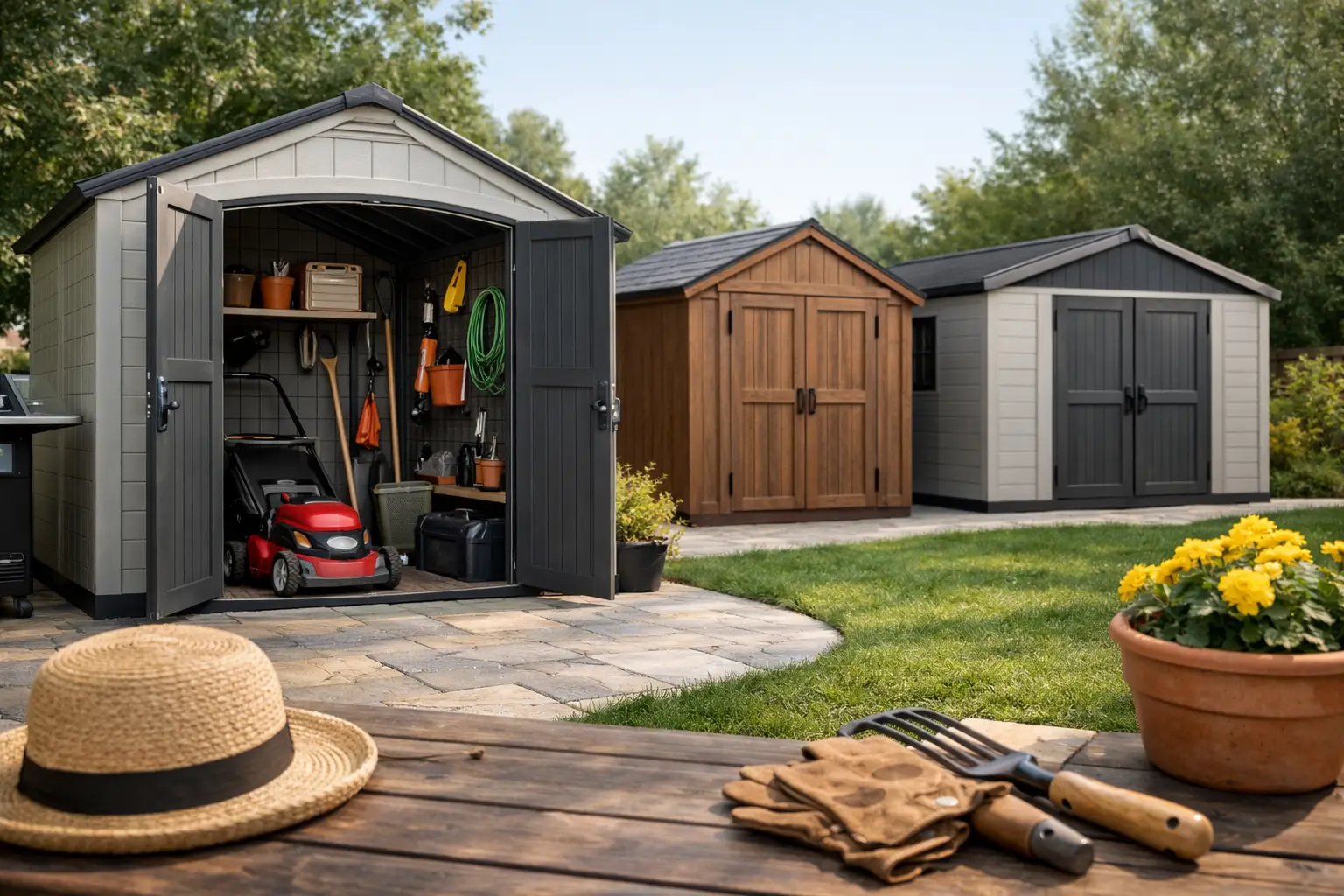
A beautiful backyard loses its edge fast when tools, cushions, bikes, and garden supplies start collecting in plain sight. The right outdoor storage shed buying guide helps you avoid that clutter trap and choose a piece that works as hard as it looks good doing it. A shed is not just a utility box for overflow – it is part of your landscape, your routine, and the overall impression your home makes.
What an outdoor storage shed buying guide should help you solve
Most shoppers begin with size, but the smarter place to start is with purpose. A shed meant for a few garden hand tools has very different demands than one expected to hold a mower, patio furniture covers, sports gear, and seasonal decor. When you know exactly what needs to live inside, the rest of the decision becomes far more precise.
That is where many purchases go sideways. People buy too small because they want to save patio space, or too large because they assume more storage is always better. Both choices can feel off once the shed is installed. A compact model that is packed wall to wall becomes frustrating to use, while an oversized unit can overpower a carefully styled yard.
The best shed supports a cleaner outdoor environment without looking like an afterthought. It should feel integrated with your home, not parked beside it.
Start with size, but think beyond square footage
When comparing shed sizes, measure the footprint you can realistically give up in your yard, deck edge, side passage, or garden zone. Then compare that area with the actual items you plan to store. This sounds obvious, but dimensions on a product page do not always translate into easy, usable access.
A narrow shed might technically fit your equipment, yet still make it awkward to retrieve anything in the back. A wider model with better door clearance may offer a better daily experience even if the total cubic capacity is similar. If you are storing bulky items like bicycles, folding chairs, or a lawn mower, door width matters almost as much as floor space.
Height is another detail shoppers underestimate. Vertical storage can transform a modest footprint into a surprisingly efficient setup, especially when shelves, hooks, or tool rails are added. If you want a shed to preserve a polished backyard rather than consume it, using height intelligently is often the better move.
A quick way to gauge the right capacity
Picture your largest item first, not your smallest. If that item cannot move in and out without a struggle, the shed is already the wrong fit. Then leave room for future additions. Outdoor storage rarely stays static for long.
Material choice shapes maintenance, style, and longevity
A major part of any outdoor storage shed buying guide is understanding materials, because this is where appearance and practicality meet.
Resin and high-quality plastic sheds appeal to shoppers who want crisp lines, weather resistance, and minimal upkeep. They are easy to live with, resist rot, and often suit modern or casual outdoor spaces. For many households, this is the best balance of convenience and value, especially in climates with frequent moisture.
Metal sheds can offer strong security and a clean industrial profile, but they are not always the quietest or most temperature-stable option. In hot climates, they can heat up quickly. In coastal or humid areas, finish quality matters because corrosion resistance becomes more than a nice extra.
Wood sheds bring warmth, architectural charm, and a more custom look. They often feel the most elevated in traditional landscapes or design-conscious backyards. The trade-off is maintenance. Wood asks for more attention over time, from sealing and painting to watching for moisture damage or warping.
If your priority is low maintenance with a refined look, modern resin designs often punch above expectations. If your priority is aesthetic character and a built-in feel, wood still has unique appeal. If security and structure come first, metal may be the stronger choice. It depends on whether your shed is mainly hidden storage or a visible part of the outdoor design story.
Style matters more than many buyers expect
A shed is functional, but it is also visual real estate. If it sits within sight of your patio, garden path, or kitchen window, design should be part of the buying decision.
Look at the lines of your home first. A sleek contemporary property pairs naturally with clean silhouettes and neutral finishes. A farmhouse or cottage-style home may suit a shed with paneled detailing or a more classic roofline. Color also matters. Matching too closely can make the shed disappear in a flat way, while a complementary tone often looks more intentional.
This is where premium shopping pays off. Better shed design tends to hide utility behind smarter proportions, cleaner finishes, and hardware that feels less purely industrial. That subtle difference can elevate the entire yard.
Placement can make or break the purchase
Even a well-made shed can disappoint if it ends up in the wrong spot. Before buying, map the placement carefully. You need enough clearance for doors to open fully, enough stable ground for installation, and enough breathing room around the structure so it does not feel cramped.
Convenience should guide placement as much as aesthetics. Garden tools should be close to the planting area. Pool accessories belong near the pool zone. Cushions and entertaining supplies are easier to use when the shed sits near the patio rather than at the far end of the property.
At the same time, think about sightlines. A storage shed should support the atmosphere of your outdoor space, not interrupt it. Tucking it beside a fence, integrating it into landscaping, or selecting a finish that works with surrounding materials can make storage feel designed rather than improvised.
Do not ignore the base
A shed is only as reliable as the surface beneath it. Uneven ground can affect doors, drainage, and long-term durability. Whether you choose gravel, pavers, concrete, or another approved foundation, stability is not a small detail. It is part of the product’s performance.
Security and weather protection deserve a closer look
Not every shed needs fortress-level security, but many store items that are expensive or inconvenient to replace. Bikes, power tools, grilling accessories, and outdoor tech all benefit from a shed with solid door construction and secure locking capability.
Weather protection goes beyond whether the shed is labeled outdoor-ready. Pay attention to roof design, water resistance, ventilation, and how tightly doors and panels close. In wetter regions, drainage and airflow are especially important. In sunnier climates, UV resistance matters more than shoppers sometimes realize because fading and brittleness can show up sooner than expected.
If you live in an area with heavy snow, wind, or extreme seasonal swings, structural strength should move higher on your priority list. A stylish shed still has to earn its place through real performance.
Storage features change the experience
Two sheds with similar dimensions can feel completely different in daily use. The difference usually comes down to organization.
Built-in shelving, loft storage, wall hooks, and tool hangers make a shed far easier to keep orderly. Without them, even a large shed can turn into a crowded pile of barely contained gear. That is not just inconvenient. It wastes the visual calm you were trying to create in the first place.
Natural light is another feature worth considering. Windows or skylights can make a shed feel more usable and less like a dark utility box. Ventilation panels also help, especially if you are storing cushions, soil, cleaning products, or anything sensitive to trapped heat and moisture.
When comparing options, ask yourself a simple question: will this shed help me stay organized three months from now, or will it just hide the mess? The best choice does both storage and structure well.
Budget wisely without shopping too small
Price always matters, but the cheapest shed is often the most expensive one to live with if it fails early, looks worn too quickly, or does not fit your needs. A better approach is to think in terms of value over time.
Materials, weather resistance, fit and finish, ease of assembly, and included features all affect the real cost of ownership. A slightly higher upfront investment can bring lower maintenance, better durability, and a more polished appearance that continues to complement your home.
For shoppers who want utility without sacrificing presentation, that balance is where the best value usually lives. A shed should solve storage problems while preserving the sense of order and refinement that makes outdoor spaces enjoyable. That is part of the appeal of shopping a curated retailer like Alucarda – practical upgrades can still feel elevated.
Final details before you buy
Check local HOA rules or municipal requirements before ordering, especially for larger sheds. Review assembly expectations as well. Some models are straightforward weekend projects, while others may be better suited to professional installation.
Then return to the essentials: what you need to store, where the shed will sit, how much maintenance you are willing to handle, and how visible the structure will be in your outdoor space. The right shed does more than hold equipment. It restores order, protects what you use, and gives your exterior a cleaner, more finished look.
Choose the one that fits your life as beautifully as it fits your yard, and you will feel the difference every time you step outside.









Leave a comment