How to Choose Premium Home Furniture
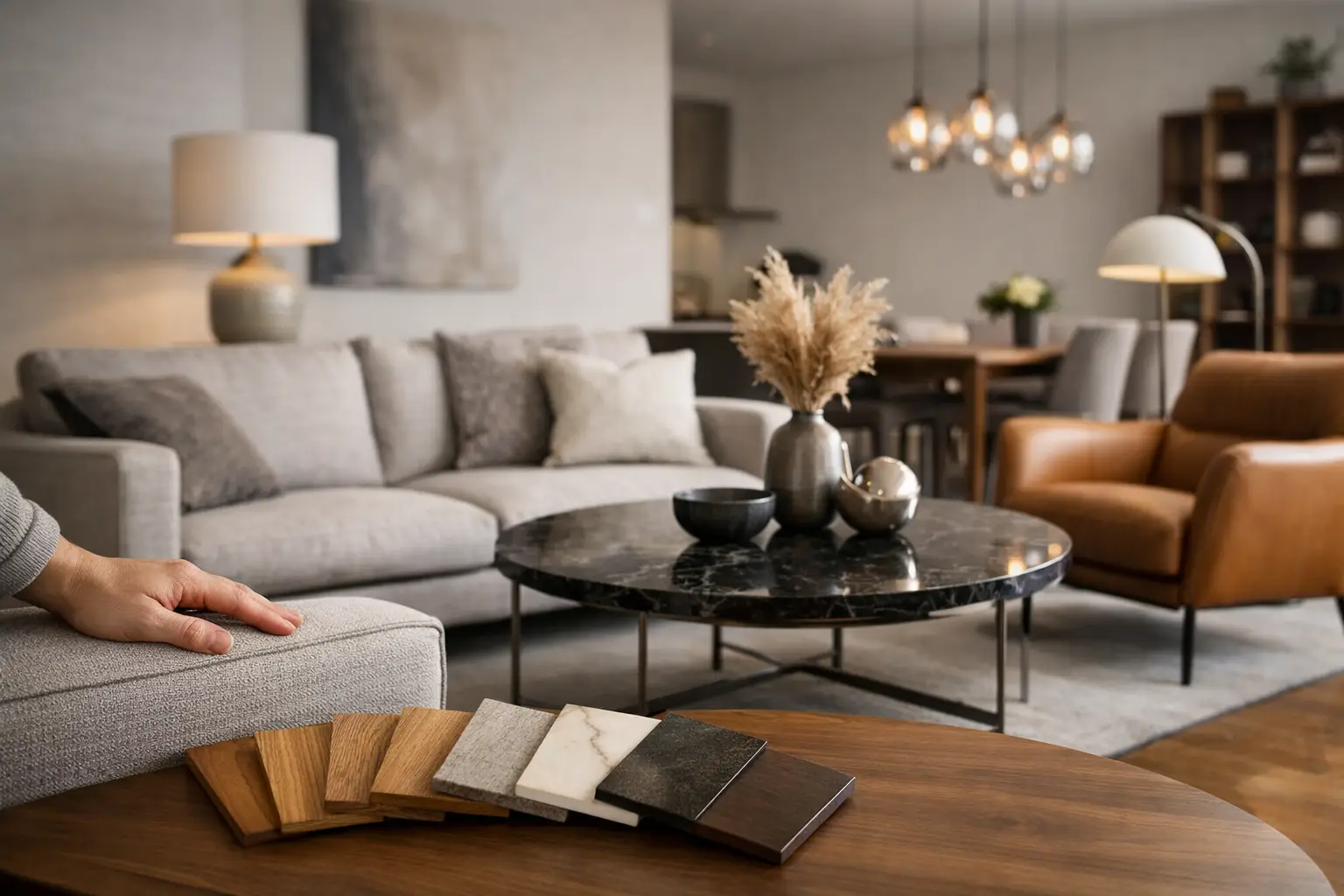
A velvet sofa can look impeccable in a product photo and feel disappointing the moment you sit down. A sculptural dining table can command attention online, then overwhelm the room it was meant to elevate. If you are wondering how to choose premium home furniture, the real question is not simply what looks expensive. It is what will continue to feel refined, functional, and worthy of your space long after the first delivery.
Premium furniture should change the way a room lives, not just the way it photographs. The best pieces bring visual confidence, daily comfort, and a sense of permanence that cheaper alternatives rarely achieve. That does not mean every premium purchase needs to be ornate or formal. In many homes, true luxury is quiet – clean lines, exceptional materials, dependable construction, and a finish that still looks polished after years of use.
How to choose premium home furniture without guesswork
The fastest way to make an expensive mistake is to shop only by style. A beautiful silhouette matters, but premium furniture earns its place through a balance of design, material quality, scale, and performance. Start by looking at how the piece will be used in real life.
A statement accent chair in a formal sitting room can prioritize shape and detailing more than all-day support. A family sofa, on the other hand, has to work much harder. It should still look elevated, but it also needs resilient cushions, durable upholstery, and dimensions that suit the way people actually lounge, nap, and gather. Premium means matching the piece to the pace of your home.
This is where many shoppers benefit from slowing down. Ask what the room needs first. Is it warmth, storage, softness, structure, or a focal point? Furniture that solves the right problem will always feel more luxurious than furniture chosen only to fill empty square footage.
Start with materials, because materials tell the truth
If there is one area that separates premium furniture from lookalikes, it is material selection. The surface may catch your eye, but the composition tells you whether the piece has real staying power.
Solid wood usually signals stronger long-term value than particleboard or low-grade composites, especially for dining tables, bed frames, dressers, and cabinets. Hardwoods such as oak, walnut, and ash tend to age with more character and stability. That said, engineered wood is not automatically inferior. In some cases, it improves consistency and resists warping better than certain solid woods. What matters is the grade, thickness, finish quality, and how the material is used throughout the construction.
Upholstery deserves the same scrutiny. Top-grain leather develops depth over time, while lower-grade bonded leather often shows wear much sooner. Performance fabrics can be an excellent choice for busy households because they offer a cleaner, more practical version of luxury. Linen, bouclé, cotton blends, and velvet each create a different mood, but they also come with different maintenance demands. The right answer depends on whether your home leans more toward entertaining, lounging, pets, children, or all of the above.
Metal, stone, and glass accents should feel substantial rather than decorative for decoration’s sake. A marble top can be stunning, but if you prefer low-maintenance living, sintered stone or high-end ceramic may offer a smarter balance of elegance and resilience.
The finish matters as much as the core material
A premium finish should feel intentional, not overly glossy, patchy, or artificial. Wood grain should appear natural. Painted surfaces should look even and smooth. Hardware should have weight and a refined touch. These details may seem small in isolation, but together they create the difference between furniture that feels elevated and furniture that only imitates the effect.
Craftsmanship is where premium furniture proves itself
Good furniture can look attractive for six months. Premium furniture should hold its shape, function smoothly, and keep its visual integrity much longer. That comes down to construction.
With wood furniture, pay attention to joinery. Dovetail drawers, reinforced corners, and stable bases are all strong signs. With upholstered seating, look at the frame, suspension, and cushion fill. Kiln-dried hardwood frames typically outperform weaker softwood or mixed-material frames. Eight-way hand-tied springs are often praised for traditional luxury seating, but high-quality sinuous springs can also perform very well when properly built.
Cushions are another tell. High-density foam wrapped in down or fiber often gives a more tailored, comfortable seat than low-density fill that collapses quickly. Some people love the relaxed softness of feather-heavy cushions, while others prefer the cleaner support of structured foam. Neither is universally better. It depends on whether you want a lounge-driven feel or a more architectural silhouette.
Premium furniture should also function quietly. Drawers should glide rather than stick. Doors should align cleanly. Table surfaces should feel balanced. Nothing about the piece should seem flimsy, rushed, or temporary.
Proportion can make or break the luxury effect
One of the most common mistakes in furnishing a home is choosing premium pieces that are the wrong size for the room. Even exceptional furniture loses impact when scale is off.
Large sectional sofas can feel indulgent in an open-plan living area, but in a smaller apartment they can dominate circulation and make the space feel cramped. The same goes for oversized coffee tables, tall bed frames, or wide dining chairs that leave little breathing room. On the other hand, furniture that is too small often looks tentative and underwhelming, especially in rooms with high ceilings or generous layouts.
Measure your room carefully, but also measure pathways, doorways, and the spacing between pieces. Premium interiors feel composed because every item has room to be seen and used properly. There should be visual presence without crowding.
How to choose premium home furniture for your layout
Think in terms of balance, not just dimensions. If your room already has strong architectural details, like exposed beams, paneled walls, or dramatic windows, your furniture can be more restrained. If the room is simple, one or two sculptural pieces can provide the sophistication. A premium look rarely comes from every piece competing for attention.
Comfort is not a bonus – it is part of the standard
There is a version of luxury that looks immaculate and feels stiff. Most people regret buying it. Premium home furniture should invite use.
Seat depth, back height, arm width, table clearance, mattress support, and ergonomic alignment all matter. A dining chair can be exquisite, but if guests start shifting after twenty minutes, the experience falls short. A bed frame can look grand, but if it creaks or lacks support, the room loses its sense of ease.
This is where lifestyle matters more than trend cycles. If you host often, prioritize seating that supports longer conversations. If you work from home, invest in furniture that helps the space transition between productivity and restoration. If your home is your retreat, choose tactile materials and silhouettes that soften the room rather than making it feel staged.
Style should feel lasting, not just current
Trend-led furniture can be tempting because it creates instant visual impact. Sometimes that is worth it, especially for smaller accent pieces. But for major investments like sofas, beds, dining tables, and storage furniture, longevity usually wins.
That does not mean your home should feel safe or generic. Premium style comes from restraint paired with character. Choose foundational pieces with enduring lines, then add personality through texture, color, lighting, and smaller statement elements. This approach gives you flexibility as your taste evolves.
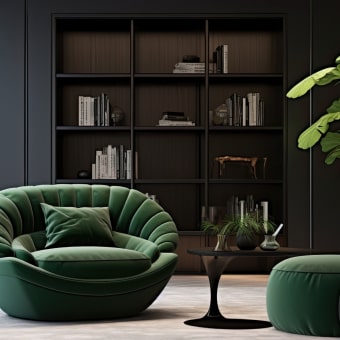
A curved sofa, dark walnut console, travertine coffee table, or channel-tufted bed can all feel current and lasting when the proportions are disciplined and the materials are genuine. The goal is not to avoid style. The goal is to avoid pieces that feel dated the moment the trend peak passes.
Price matters, but value matters more
Expensive and premium are not the same thing. Some furniture carries a high price because of branding or styling, not because of superior materials or craftsmanship. The smartest shoppers look at cost over time.
A well-made sofa that keeps its structure for years can be a better investment than a cheaper version replaced twice. The same goes for dining furniture, bedroom storage, and occasional tables that take daily wear. Premium buying is less about spending the most and more about choosing pieces that continue to justify their place.
This is also why curation matters. A retailer with a strong design point of view can make the process easier by filtering out furniture that looks elevated but lacks substance. For shoppers who want sophistication delivered with convenience, that kind of edited selection saves time and reduces compromise.
When you are ready to buy, trust the pieces that satisfy both instinct and inspection. They should look distinctive, feel substantial, suit your routine, and bring a quieter kind of confidence to the room. Premium furniture is not about filling a home with expensive objects. It is about choosing fewer, better things that make everyday living feel more considered.









Leave a comment