Best Air Fryer for Families: What to Buy
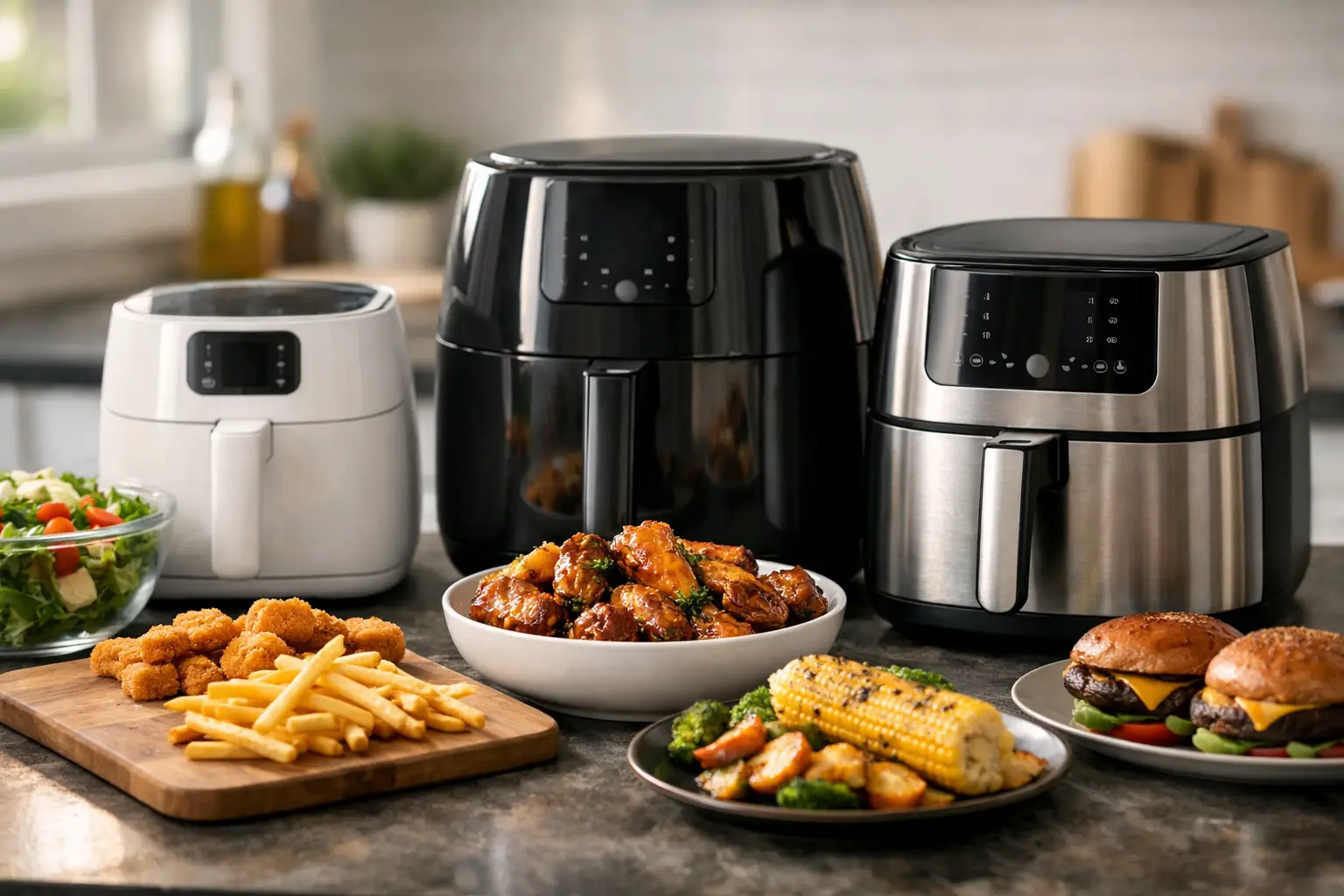
Dinner gets chaotic fast when one batch of fries feeds only two people, the chicken needs a second round, and the counter starts looking like a small appliance showroom. If you are shopping for the best air fryer for families, the right choice is less about hype and more about capacity, speed, and how gracefully it fits into real household life.
For a family kitchen, an air fryer should do more than crisp snacks. It should handle weeknight chicken tenders, roasted vegetables, reheated pizza, and the occasional full dinner without turning every meal into a relay race. That is where the difference between a decent model and a truly smart buy becomes obvious.
What makes the best air fryer for families?
The first thing to understand is that family-size air frying is really about volume and workflow. A compact basket model may be perfect for a single person or couple, but once you are cooking for four or more, small capacity becomes a daily annoyance. Food cooks best when it has room for air to circulate, so overcrowding leads to limp fries, uneven browning, and longer cook times.
In most family households, the sweet spot starts around 5.8 quarts and moves upward from there. That size can cover a generous batch of vegetables or enough nuggets and fries for younger kids in one pass. Larger homes, bigger appetites, or families that like to meal prep may be better served by 7-quart, 8-quart, or dual-basket designs.
Capacity, though, is only part of the story. The best air fryer for families also needs a practical shape. A wide basket often matters more than a deep one because food can sit in a flatter layer. That means better texture and less shaking, flipping, and rearranging midway through cooking.
Basket, dual basket, or oven style?
This is where your routine should guide the decision.
A classic single-basket air fryer is usually the easiest option. It is straightforward, fast to preheat, and simple enough for anyone in the household to use. If your meals tend to be one main item plus a quick side, this style remains a strong choice.
A dual-basket air fryer is often the most practical upgrade for busy families. It lets you cook proteins in one side and vegetables or fries in the other, often with separate temperatures and synchronized finish times. That can turn air frying from a snack machine into a legitimate dinner solution. The trade-off is size. These units take up more counter space and may feel excessive in a smaller apartment kitchen.
Oven-style air fryers appeal to shoppers who want more range. They often roast, toast, bake, and dehydrate in addition to air frying, and some can fit a small pizza or several slices of bread. They look polished and versatile, which suits a design-conscious kitchen, but they do not always crisp as aggressively as a strong basket model. If crunchy texture is your priority, basket units still tend to win.
Size matters, but so does your counter
Family-size appliances can be a pleasure to own right up until they dominate the kitchen. Before buying, think about where the air fryer will live. If you have to lift it out of a cabinet every evening, even a premium model may become more trouble than it is worth.
Measure the counter footprint, but also look at height clearance. Some air fryers need room for vents or for lids and doors to open fully. A machine that feels luxurious in photos can feel oversized once it is sitting under your upper cabinets.
This is one place where restraint pays off. The best air fryer for families is not automatically the largest model available. It is the one big enough to keep dinner moving without overwhelming the space you use every day.
Features worth paying for
Not every extra function deserves your money. In a premium category, it is easy to get pulled toward glossy touchscreens and long lists of cooking presets. Some of those details are useful. Others are mostly cosmetic.
A clear display, intuitive controls, and accurate temperature settings matter. So does strong heating performance. Families benefit from a model that reaches cooking temperature quickly and recovers fast when the basket is opened.
Preset programs can be convenient, especially if multiple people in the household will use the appliance, but they should not replace manual control. The better models give you both ease and flexibility.
A shake reminder is more helpful than it sounds. So is a sync feature on dual-basket machines, which lets two different foods finish at the same time. These functions support real dinner flow, not just novelty.
Windowed baskets or interior lights can be appealing, especially in a kitchen that values elevated design, but they are not essential. If budget matters, prioritize performance and ease of cleaning over visual extras.
Cleanup is part of the buying decision
Families do not need another appliance that performs beautifully and then punishes you afterward. Easy cleanup should rank near the top of your checklist.
Nonstick baskets and dishwasher-safe components save time, but coating quality matters. Lower-end interiors can wear faster, especially in busy homes where the air fryer gets used several times a week. A better-built basket with a durable finish is often worth the higher upfront cost.
Also pay attention to the crisper plate or tray design. Some collect grease neatly and lift out with very little fuss. Others trap crumbs in awkward corners. Over time, that difference becomes surprisingly important.
Speed, noise, and everyday comfort
Air fryers are loved for speed, but not all fast models feel equally pleasant to use. Some run with aggressive fan noise, harsh beeps, or stiff baskets that require a tug every time you open them. Those details sound minor until you are managing dinner, homework, and a kitchen full of movement.
A refined appliance should feel efficient without being irritating. Smooth drawer action, readable controls, and reasonable noise levels all add to the sense that the machine belongs in a well-designed home, not just on a utilitarian checklist.
This is where premium positioning makes sense. When an appliance lives on your counter and enters your routine several times a week, craftsmanship and finish are not superficial. They shape the experience.
How to match the best air fryer for families to your household
A family of three with a compact kitchen may be happiest with a high-performing 6-quart basket model. It handles dinner efficiently without claiming too much real estate.
A family of four or five that cooks mixed meals often will likely get the best value from a dual-basket air fryer. Being able to cook salmon on one side and Brussels sprouts on the other changes what the appliance can realistically do.
Larger families or households that entertain may prefer an oven-style model with multiple racks, especially if they want one appliance to replace several. That said, they should be honest about whether they value versatility more than peak crispness.
If your household relies on frozen foods, after-school snacks, and quick weeknight wins, prioritize speed and basket space. If you enjoy more polished home cooking, look for stronger temperature control, roasting performance, and a design that complements the kitchen rather than cluttering it.
When more expensive is actually worth it
There are times when a budget air fryer is enough. If you use it occasionally for reheating leftovers or making the occasional side dish, a simpler model may serve you well.
But for families, frequent use changes the math. Better materials, stronger heating consistency, larger capacity, and easier cleaning can justify the higher spend. You are not just buying an appliance. You are buying back time, reducing friction at dinner, and making it easier to cook at home more often.
That is why the smartest purchase is usually not the cheapest unit or the one with the longest feature list. It is the model that fits your meals, your space, and your standard of living. A thoughtfully chosen air fryer can make everyday cooking feel faster, cleaner, and a little more refined – exactly the kind of upgrade that earns its place in a modern home.
If you are choosing with family life in mind, buy for the dinners you actually make, not the fantasy version of your kitchen. The right air fryer should meet you there and make the whole room work better.












Leave a comment