Best Patio Gazebo for Backyard Style
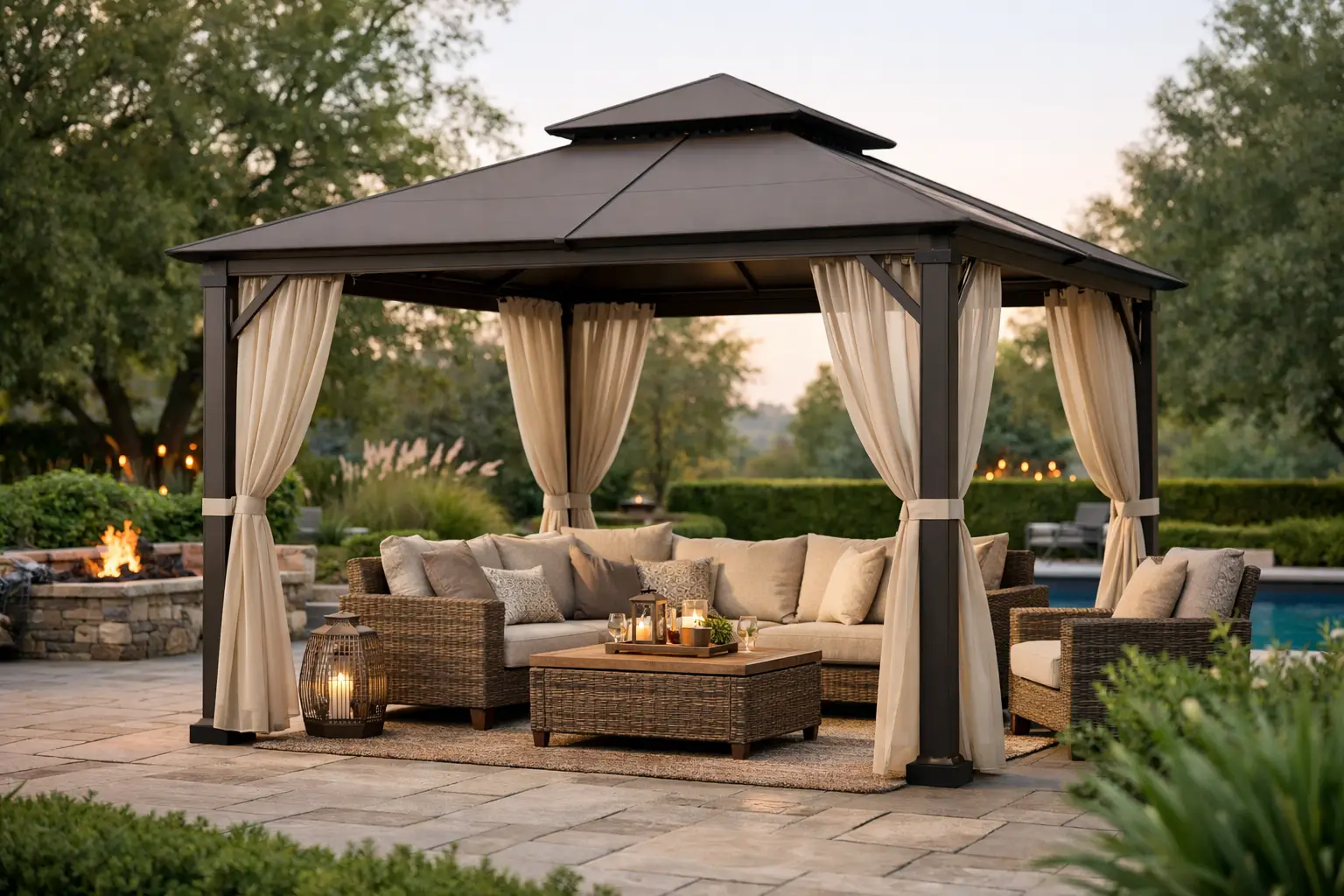
The difference between a backyard that looks unfinished and one that feels truly elevated often comes down to a single structure. The best patio gazebo for backyard living does more than create shade – it defines the space, improves comfort, and turns an ordinary patio into a polished outdoor retreat.
For design-conscious homeowners, that choice is rarely about looks alone. A gazebo has to suit the scale of the yard, handle the local weather, and support the way you actually live outside, whether that means casual family dinners, quiet weekend lounging, or hosting with a little more style. The smartest pick is the one that balances architecture, function, and durability without making your backyard feel crowded or overbuilt.
How to Choose the Best Patio Gazebo for Backyard Use
A gazebo should feel intentional, not improvised. Before comparing finishes or rooflines, start with the role it will play in your outdoor setup. Some backyards need a dining pavilion that creates a clear entertaining zone. Others need a more relaxed lounge structure near a pool, hot tub, or fire pit. When the purpose is clear, the right size and design usually follow.
Scale matters more than many shoppers expect. In a compact yard, an oversized gazebo can dominate the entire landscape and make the patio feel boxed in. In a large backyard, a structure that is too small can look temporary and underwhelming. As a general rule, leave enough breathing room around the footprint so the gazebo feels integrated with the patio rather than squeezed onto it.
Ceiling height also changes the experience. A taller roofline feels airy, refined, and more architectural. Lower profiles can work well in smaller spaces, but if they are too low, they can make the area feel dim and closed off. If you plan to place furniture, lighting, or a ceiling fan underneath, those extra inches become even more valuable.
Material Choice Shapes the Look and Longevity
The frame and roof materials will determine not only the style of the gazebo, but also how much maintenance it demands over time. This is where trade-offs matter.
Aluminum gazebos are a favorite for modern backyards because they offer a clean, upscale look with relatively low upkeep. They resist rust well, remain lighter than steel, and often suit contemporary outdoor furniture beautifully. If your priority is streamlined design with practical durability, aluminum is hard to overlook.
Steel frames tend to feel more substantial, which can be appealing in windy areas or larger installations. The trade-off is weight and, in some cases, greater vulnerability to corrosion if the finish is compromised. A well-made steel gazebo can feel impressively solid, but it is worth checking how it is coated and how exposed your yard is to moisture.
Wood gazebos bring warmth and classic character that metal structures cannot fully replicate. They work especially well in traditional, garden-forward, or rustic-luxury settings. The catch is maintenance. Wood typically needs more attention to preserve its finish and protect it from weathering, warping, or insect damage. For some buyers, that richer aesthetic is worth it. For others, a powder-coated metal frame delivers the same sense of permanence with less effort.
Roof material matters just as much. A soft canopy can create an elegant, airy look and often costs less, but it usually offers less long-term resilience than hardtop options. Polycarbonate roofs diffuse light nicely and help reduce harsh sun while maintaining a more open feel. Metal hardtops usually provide the most substantial protection and can make the entire gazebo feel like a true extension of the home.
Hardtop or Soft Top Depends on Your Backyard Priorities
If you are deciding between a hardtop gazebo and a soft-top canopy model, think beyond price. The better choice depends on climate, usage, and expectations.
A hardtop gazebo is typically the premium option. It offers stronger weather resistance, better durability, and a more finished architectural presence. For homeowners who want a backyard feature that feels lasting and refined, hardtop models often deliver the strongest value. They are especially appealing in areas with intense sun, seasonal rain, or wind exposure.
A soft-top gazebo can still be a smart buy, especially for lighter seasonal use or for shoppers who want flexibility. These models can feel breezy and elegant, and they often work well in milder climates. The trade-off is that fabric components may need replacement sooner, and they generally do not offer the same sense of permanence.
If your backyard is a serious entertaining space, a hardtop tends to justify the investment. If your goal is occasional summer shade with a lighter visual footprint, a soft-top may be enough.
The Best Patio Gazebo for Backyard Design Should Match Your Home
A gazebo should complement the home’s architecture, not compete with it. This is where many outdoor upgrades fall short. A beautiful structure in the wrong style can make the backyard feel disjointed.
For modern homes, look for crisp lines, dark metal finishes, and minimal detailing. These gazebos pair well with neutral outdoor seating, sculptural planters, and integrated lighting. For more traditional homes, a gazebo with warmer tones, decorative posts, or a softer silhouette can feel more natural.
Color choice has a bigger impact than people think. Black, charcoal, bronze, and natural wood tones tend to age well visually and fit into a wider range of backyard palettes. Lighter canopy colors can feel fresh and resort-inspired, but they may show wear more quickly, especially in dusty or pollen-heavy areas.
This is also where lifestyle refinement comes in. The best gazebo is not simply the biggest or the boldest. It is the one that makes the entire patio feel curated, intentional, and more inviting day after day.
Features That Add Real Outdoor Luxury
Not every extra feature is worth paying for, but some genuinely improve the experience. Netting and privacy curtains are useful if your yard gets insects at dusk or if neighboring homes sit close by. They can make the space feel more secluded and finished, especially during evening entertaining.
Built-in hooks or ceiling support for lighting and fans add versatility. If you live in a warm climate, airflow can transform the comfort level under the structure. Integrated drainage is another detail that separates more thoughtful designs from cheaper options. When rainwater is guided away properly, the gazebo remains more usable and easier to maintain.
Anchoring systems deserve attention too. A gazebo that looks exquisite in product photos still needs to stand confidently in real weather. If the structure will be installed on concrete, pavers, or a deck, make sure the model is suitable for that surface. Stability is not a luxury detail. It is foundational.
Size Planning Makes or Breaks the Purchase
It is easy to underestimate how much usable space you need beneath a gazebo. A dining setup for six requires more room than many buyers expect, especially if you want chairs to slide comfortably and people to move around without bumping into posts. Lounge seating also benefits from extra width, particularly if you want side tables, planters, or a fire feature nearby.
A smaller gazebo can be perfect for a compact conversation area or a pair of chaise lounges. Medium footprints tend to work best for standard patios and multipurpose use. Larger gazebos are ideal for serious hosting, outdoor kitchens, or expansive backyards, but only if the surrounding space can support them gracefully.
Think of the structure as part of a full composition. You are not just buying overhead coverage. You are shaping circulation, views, furniture placement, and the overall atmosphere of the backyard.
What Shoppers Often Overlook
Assembly is one of the most overlooked factors in gazebo shopping. Some premium-looking models are surprisingly labor-intensive to install. That does not necessarily make them a poor choice, but it should influence your planning. A more sophisticated structure may reward you with better durability and visual impact, yet require more time, tools, and hands during setup.
Maintenance expectations are another reality check. Low-maintenance does not mean no-maintenance. Even durable gazebos benefit from seasonal cleaning, checking fasteners, and monitoring wear on curtains or netting. Buyers who go in with realistic expectations tend to be happier with their investment.
It is also wise to think ahead about how the gazebo will look in every season, not just at the height of summer. A structure that enhances the backyard year-round often provides better long-term satisfaction than one that feels purely seasonal. That is one reason many style-focused homeowners gravitate toward more architectural hardtop designs.
For shoppers curating a more refined outdoor setting, the right gazebo brings together comfort, visual structure, and everyday luxury in one move. At Alucarda, that kind of upgrade fits the broader idea of elevated living – choosing pieces that make home feel more polished, more usable, and more distinctly your own.
The best choice is the gazebo that makes you want to stay outside a little longer, host a little more often, and enjoy your backyard as if it were your favorite room.









Leave a comment