Best Drone for Beginners Photography Picks
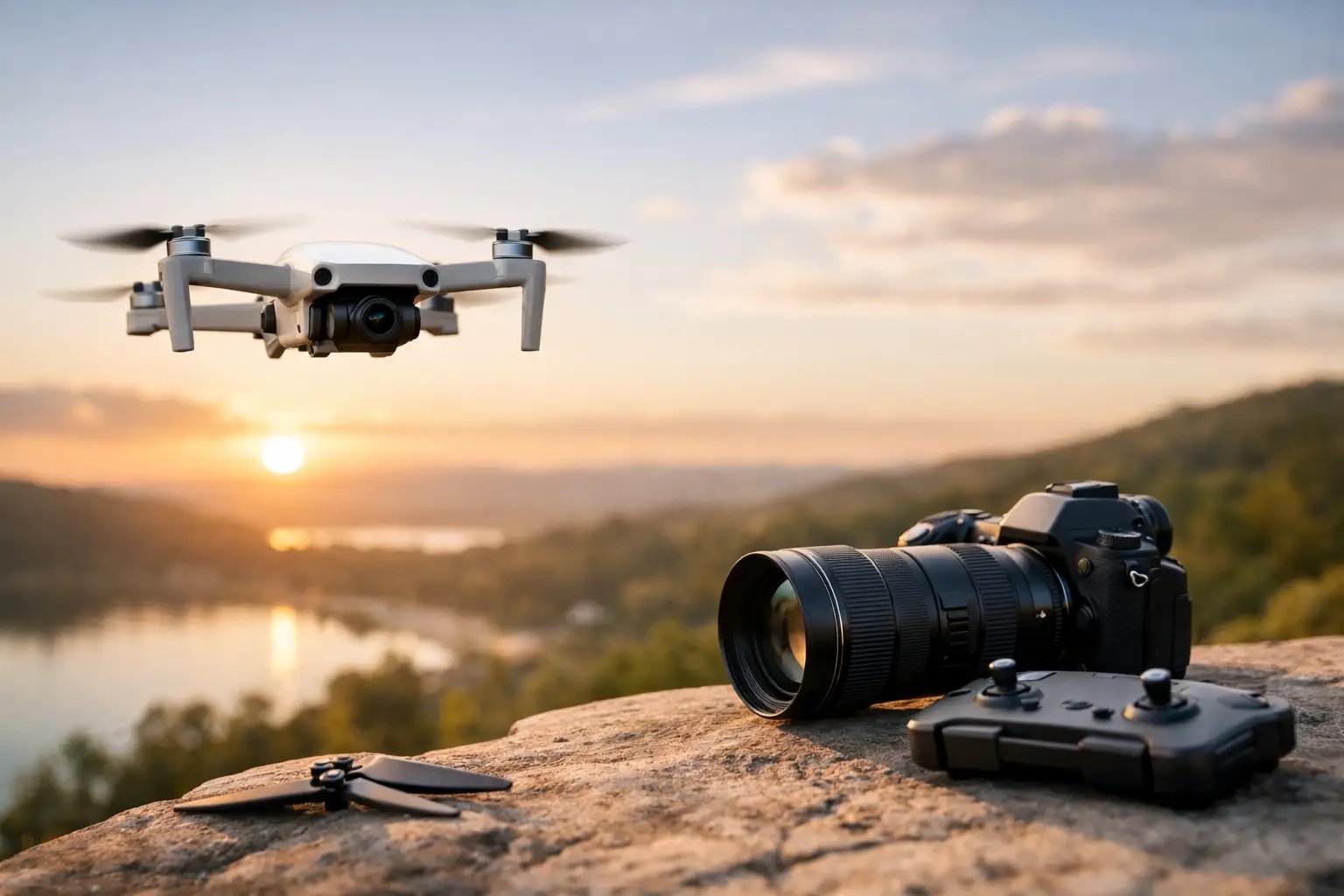
A beginner drone should make your first photo look better than your first landing. That is the real test. If you are shopping for the best drone for beginners photography, the sweet spot is not the most expensive aircraft or the one with the longest spec sheet. It is the model that gives you stable image quality, forgiving controls, and enough intelligent support to help you focus on composition instead of panic.
Drone shopping gets crowded fast. You will see cinematic promises, oversized range claims, and feature lists built for pilots who already know what they are doing. For a first-time buyer, that can lead to the wrong choice – a drone that feels impressive on paper but intimidating in the air. The better approach is to shop for confidence, then for creative range.
What makes the best drone for beginners photography
For photography-first buyers, the camera matters, but not in isolation. A sharp sensor on a twitchy drone is less useful than a slightly humbler camera on a platform that hovers cleanly and responds predictably. Stability is what turns a scenic overlook, beachfront, or backyard into an image worth keeping.
A strong beginner pick usually balances five things well. It offers reliable hover performance, a camera that handles daylight detail without turning everything into watercolor, automated flight modes that reduce workload, battery life long enough to let you experiment, and a size that suits where and how you plan to fly. If one of those is badly compromised, the ownership experience usually suffers.
Obstacle avoidance is another feature that sounds optional until you clip a tree branch. For new pilots, even basic directional sensing adds a layer of reassurance. It will not replace skill, and it should never encourage careless flying, but it can reduce the cost of a small mistake. That matters when you are still learning spatial awareness.
Camera quality matters, but so does forgiveness
Many first-time shoppers fixate on resolution. Yes, 4K sounds better than 2.7K, and a larger sensor generally produces cleaner files. But if your main goal is beginner photography, image consistency is often more valuable than headline specs. You want a drone that exposes scenes evenly, holds a steady frame in light wind, and gives you files that are pleasant to edit without a steep learning curve.
A good beginner camera should deliver crisp stills in bright to moderately cloudy conditions. You do not need a professional-grade sensor to capture rooftop views, mountain pull-backs, lake reflections, or vacation landscapes that feel polished. You do need decent dynamic range and color that does not collapse the moment the sun gets harsh.
There is a trade-off here. Small, affordable drones are easier to carry and less painful to buy, but they tend to struggle more in wind and lower light. Larger drones often produce better images and feel more planted, but they cost more and can feel like too much machine for a first purchase. The right answer depends on how serious your photography ambitions are in the next 12 months, not just this weekend.
Best drone for beginners photography features worth paying for
A premium finish is nice. Premium usability is better. If you are comparing models, put your money toward features that improve outcomes, not just marketing appeal.
GPS stabilization is essential. Return-to-home is close behind, especially for anyone who plans to fly in open parks, along trails, or near water. Beginner-friendly automated modes such as subject tracking, orbit shots, or pre-programmed cinematic paths can make your early results look more refined while you build manual skill.
Battery life deserves a realistic read. A listed 30 minutes can translate to much less once wind, repositioning, and cautious hovering enter the picture. For beginners, a drone that gives you enough time to frame several compositions without rushing is far more enjoyable than one that constantly sends you back to recharge.
A quality controller also matters more than many buyers expect. Some compact drones rely heavily on phone-based controls, which can work, but a dedicated controller with a clear layout usually feels more precise and confidence-building. When the controls feel natural, your photos improve because your attention can stay on the shot.
Which type of beginner drone fits your style
Not every first-time buyer needs the same aircraft. If you travel often, a lightweight folding drone is attractive because it slips into a weekend bag and feels easy to bring anywhere. That convenience often means you will actually use it, which matters more than owning a technically better drone that stays home.
If your goal is image quality first, a slightly larger model with a stronger gimbal and better sensor may be worth the added investment. This type of drone tends to produce more polished stills and smoother footage, especially when conditions are less than perfect. It can feel like a more refined tool from day one.
If budget is your main concern, entry-level drones can still be satisfying, but expectations should stay grounded. They are excellent for learning orientation, basic framing, and flight habits. They are less ideal if you want gallery-worthy photography right away. Lower-priced models often reveal their limits in wind resistance, app polish, and file quality.
That is where curated shopping helps. A retailer that understands both electronics and lifestyle use cases can make the selection process far less chaotic. For shoppers browsing a premium assortment at Alucarda, the smartest move is to focus on drones that combine elegant portability with trustworthy flight assistance and credible camera performance, rather than chasing the cheapest price tag.
How to choose without overbuying
A first drone should feel aspirational, not excessive. The temptation is to purchase for the pilot you hope to become. A better strategy is to buy for the photographer you are ready to be now, with enough room to grow.
Ask yourself where you will fly most. Coastal areas and open viewpoints demand better wind performance. Neighborhood parks and vacation rentals favor portability and fast setup. If you mainly want social-ready landscape shots and occasional short videos, a polished beginner model is enough. If you already edit photos and care about tonal detail, stepping up to a more advanced camera platform may save you an upgrade later.
Also consider your tolerance for complexity. Some users enjoy tweaking settings, reviewing exposure values, and learning manual controls right away. Others want an elevated out-of-box experience with strong auto modes and dependable image processing. Neither approach is wrong. The best choice is the one that keeps you flying often enough to improve.
Common mistakes first-time buyers make
One of the biggest mistakes is buying based only on range. Long transmission distance sounds glamorous, but beginners rarely need extreme range, and responsible flying practices matter far more. Another common error is underestimating replacement costs. Extra batteries, propellers, carrying cases, and care plans can shift the real budget.
Many new users also skip the learning curve around weather. Even an advanced drone can produce disappointing photos if flown in gusty conditions or harsh midday light. Early morning and late afternoon usually deliver more flattering scenes, softer shadows, and a calmer flight experience. Better light is one of the easiest upgrades you can give your photography.
Then there is the habit of shooting everything from too high up. Aerial photography becomes more striking when altitude is used intentionally. Lower, more deliberate angles often reveal texture, geometry, and depth that disappear from the sky-high postcard view. A beginner drone with stable handling makes this easier to practice.
The best drone for beginners photography is the one you will trust
Trust is underrated in drone buying. When a drone starts quickly, holds position well, gives you a stable live view, and helps you recover safely if orientation slips, you become more adventurous in the right way. You try the shoreline pass, the vineyard reveal, the dramatic pull-back over the cabin. That is when photography gets interesting.
For most beginners, the ideal choice is a modern compact drone with 4K capability, a reliable gimbal, GPS-assisted stability, return-to-home, and at least some obstacle sensing. That combination delivers the broadest mix of ease, safety, and image quality. It feels premium without being punishing.
If you are choosing between a cheaper drone with flashy claims and a better-built model with fewer gimmicks, lean toward craftsmanship and control. Refined design tends to age better than inflated specs. The first drone that earns your confidence will teach you more, produce better images, and make the whole category feel less like a gadget purchase and more like an upgrade to how you capture the world.
Start with a drone that flatters your learning curve, not your ego. The best photos usually follow.












Leave a comment