How to Build a Capsule Wardrobe That Lasts
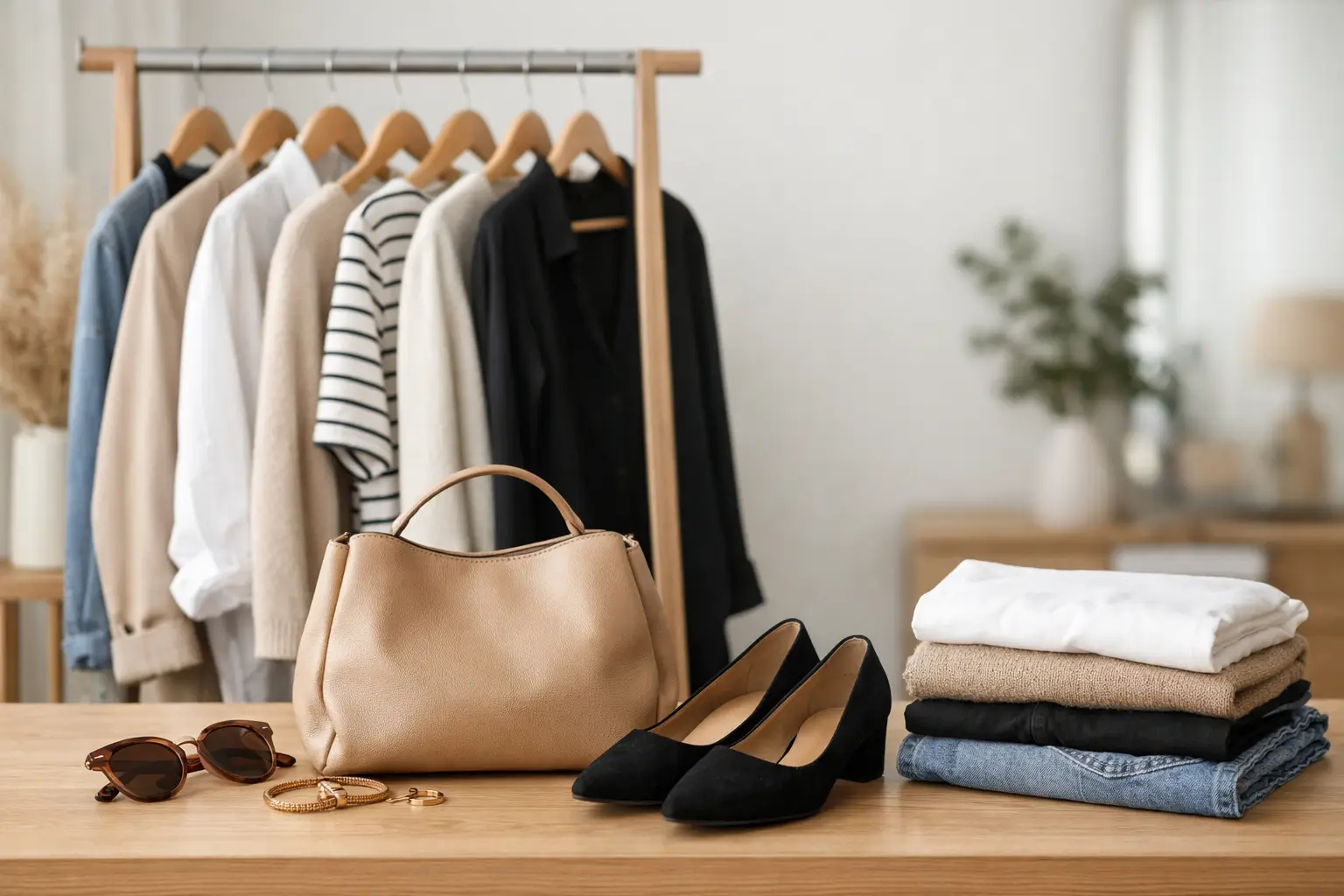
A closet packed with options can still leave you with nothing you want to wear. That is usually the moment people start asking how to build a capsule wardrobe – not because they want less style, but because they want more clarity, more polish, and fewer wasted purchases.
A well-made capsule wardrobe is not about restriction. It is about precision. Instead of buying for one-off moments, you build a refined edit of pieces that work across your real life – office days, weekends, dinners out, travel, and the ordinary routines that make up most of your calendar. Done well, it makes getting dressed faster and your wardrobe feel more luxurious, even if you own fewer items.
What a capsule wardrobe actually is
A capsule wardrobe is a small, intentional collection of clothing built around versatility. The point is not to hit a magic number. Some people feel streamlined with 25 pieces, while others need 45 because their week includes commuting, formal workwear, workouts, and social events. The better standard is usefulness.
If a piece fits beautifully, works with multiple items, and reflects your personal style, it earns its place. If it only works with one pair of shoes, requires constant adjusting, or feels like a fantasy version of your life, it is probably adding clutter rather than value.
This is where many wardrobes go off course. People buy beautiful items in isolation. A striking blazer, a trend-driven heel, a dress saved for the right event. Individually, each piece may be appealing. Together, they do not form a wardrobe. A capsule changes that by focusing on cohesion.
How to build a capsule wardrobe around your real life
Start with your schedule, not your saved inspiration photos. Before choosing colors or silhouettes, look at how you actually spend your week. If you work from home, your foundation may lean into elevated knits, tailored denim, relaxed trousers, and polished flats. If you commute to an office, you may need stronger structure – blazers, shirting, loafers, and outerwear that holds its shape.
This step matters because your wardrobe should serve your routine, not challenge it. A capsule wardrobe built for a life you do not live will always feel disappointing. Style becomes easier when your clothes match your calendar.
Next, identify your most-worn category. For some people, it is denim. For others, it is dresses, trousers, or knit separates. Your capsule should invest heavily in the category you rely on most. There is no prize for owning equal numbers of everything. If you wear jeans four days a week, two excellent pairs will do more for your wardrobe than five skirts you rarely reach for.
Edit before you buy
The cleanest way to begin is by shopping your own closet. Pull out everything you wear on repeat and set it aside. Then look for the common thread. You may notice you prefer soft neutrals, cropped jackets, straight-leg pants, or simple layering pieces with subtle structure. That pattern is your actual style, and it is more useful than any trend forecast.
Then review what is left. Some items can be altered, repaired, or styled differently. Others should be released without guilt. A capsule wardrobe is not built by forcing every past purchase to fit the future. It is built by being selective.
As you edit, pay attention to friction points. Maybe you own great tops but no pants that feel current. Maybe your shoes are comfortable but visually inconsistent with the rest of your wardrobe. Maybe your basics are tired, which makes every outfit feel less finished. Those gaps tell you where to invest.
Choose a color palette that makes dressing easy
A capsule wardrobe does not need to be beige, but it does need harmony. The easiest route is a base of neutrals – black, white, cream, navy, gray, camel, olive, or chocolate – with one or two accent colors that feel distinctly like you.
When your palette is tight, more combinations become possible. A cream knit can work with dark denim, tailored black trousers, or a satin midi skirt. A camel coat can layer over almost anything. Shoes and bags begin to coordinate naturally instead of competing.
If you love color, keep it, but use it strategically. A capsule wardrobe can absolutely include rich burgundy, forest green, powder blue, or a sophisticated print. The difference is that each statement piece should still work with the rest of the wardrobe. A bold item that pairs with three or four staples is far more valuable than one that only works once.
Build from the foundation up
The strongest capsule wardrobes are built in layers. Start with essentials you can wear weekly: tees, tanks, button-downs, fine knits, tailored pants, denim, and simple dresses if they suit your lifestyle. These are your workhorses.
Then add structure. A sharp blazer, a beautifully cut coat, a leather jacket, or a refined cardigan gives outfits presence. This is often where a wardrobe begins to feel elevated rather than merely practical.
Finally, add personality through accessories and finish pieces. Loafers, minimalist sneakers, ankle boots, a sleek belt, refined jewelry, and a bag with clean lines can transform basics into a considered look. This is one of the smartest places to spend thoughtfully because accessories carry visual impact without requiring a full wardrobe overhaul.
You do not need dozens of items in each category. You need the right few. Quality, fit, and consistency matter more than volume.
Prioritize fit and fabric
A capsule wardrobe succeeds or fails on how clothes feel on the body. Even the most beautiful piece will be ignored if it pinches, wrinkles instantly, or slips out of place all day. Fit is not a minor detail. It is the reason some outfits look expensive and others look unfinished.
When possible, favor fabrics that hold up well and feel substantial – cotton poplin, quality denim, merino wool, linen blends, structured knits, and smooth tailoring fabrics. Premium materials tend to drape better, wear longer, and make repeat outfits look intentional.
That said, there is always a trade-off. High-maintenance fabrics can look exquisite but may not suit a packed schedule. Dry-clean-only pieces, delicate whites, or shoes that require careful break-in can be worth it for some wardrobes and impractical for others. The right choice depends on how much maintenance you are realistically willing to manage.
Buy with outfit formulas in mind
One of the fastest ways to avoid waste is to stop buying single pieces and start buying complete combinations. Before adding anything new, ask yourself what you will wear it with immediately. If you cannot name at least three outfits using items you already own, it may not be the right purchase.
Simple outfit formulas make this easier. Think trousers, knit, and loafers. Denim, button-down, and blazer. Midi dress, cropped jacket, and boots. These formulas reduce decision fatigue while still leaving room for style.
This approach also reveals where spending makes the biggest difference. A perfect blazer or pair of boots may elevate ten outfits. A novelty top may only elevate one. A curated wardrobe favors the first kind of purchase.
Let your capsule evolve seasonally
A capsule wardrobe should feel edited, not frozen. Most people need some seasonal variation. Summer may call for linen shirts, lightweight dresses, sandals, and relaxed tailoring. Fall and winter often need coats, knitwear, boots, and richer textures.
The key is to keep your core identity consistent. If your style is clean, tailored, and understated in spring, it should still feel that way in colder months. Seasonal swaps should support the capsule rather than reinvent it.
This is also where smart shopping pays off. Instead of a full reset each season, add a few purposeful updates – perhaps a refined trench, premium knit set, or leather tote that sharpens what you already own. That is how a wardrobe grows in sophistication over time.
Common mistakes that make a capsule feel boring
People often assume a capsule wardrobe has to be plain. It does not. It only becomes dull when it is built without personality. If every item is practical but none feels distinctly yours, getting dressed will still feel flat.
Another common mistake is buying too many basics of the wrong kind. Not every white tee, black pant, or neutral sweater deserves a place. Basics only work when they fit impeccably and support the style direction you want. Otherwise, they become filler.
And then there is the pressure to purge too quickly. If you are learning how to build a capsule wardrobe, give yourself room to test what works. Wear things. Notice what you repeat. Refine slowly. The most polished wardrobes are usually edited over time, not created in a single weekend.
At its best, a capsule wardrobe gives you more than space in your closet. It gives you a stronger point of view. When each piece earns its place, getting dressed feels less like a daily puzzle and more like a quiet expression of taste – effortless, intentional, and distinctly your own.









Leave a comment